Auction Buying
What a Quick Walk-Around at the Auction Yard Can't Tell You
A quick yard walk-around can't show how a car runs, its frame, flood damage, or wiring. Here's what to check before you bid.
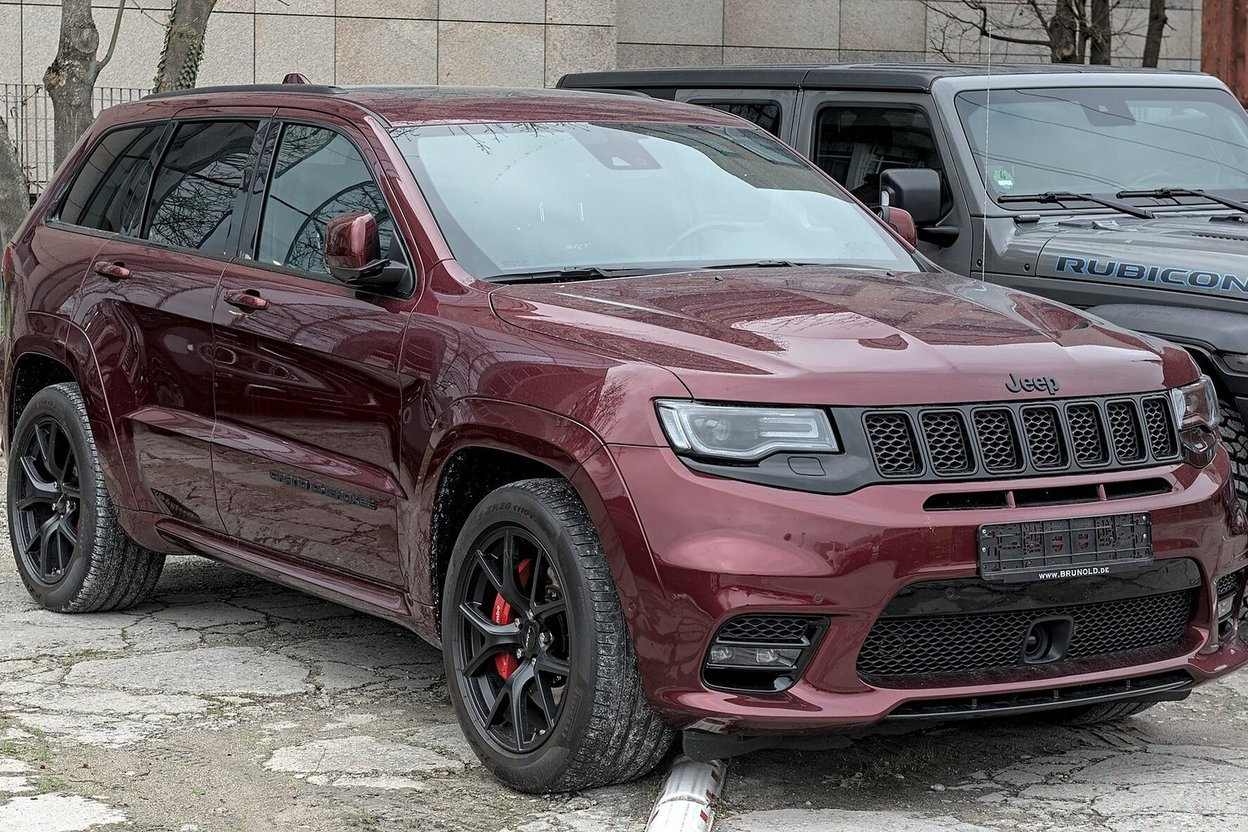
The WK2 Grand Cherokee's known failures by year and engine, with rough repair costs and what to look for on a Copart listing before you bid.
The WK2 Grand Cherokee problems that can wipe out a flip are mostly sorted by year and engine. On 2011–2013 trucks, check the TIPM fuel pump relay, the left cylinder head on the 3.6 Pentastar, and the 5- or 6-speed automatic. On 2014–2015 trucks, check the shifter recall. On 2014–2019 EcoDiesels, check the EGR cooler recall and the emissions software. On any Quadra-Lift truck, check the air suspension. On every 3.6, look for an oil cooler leak. Each one below comes with what it costs and what you can see on a listing before you bid.
The WK2 covers model years 2011 through 2021 in the US. The Grand Cherokee L and the new WL replaced it after that. The 2014 facelift is the big split. It brought new lights, a new interior and, most important for you, the ZF 8-speed automatic across the lineup. A 2011–2013 has a 5-speed, and V8 trucks from 2012–2013 have a 6-speed.
Engines by year:
The engine is usually listed on Copart, but read the VIN to be sure. Then put the VIN into NHTSA's recall lookup before you bid. It's free and tells you which recalls on the list below were never done on that truck.
The fuel pump relay inside the Totally Integrated Power Module (TIPM) can fail. When it does, the engine won't start, or it stalls while you're driving. FCA recalled 2011–2013 Grand Cherokees and Durangos with the 3.6, 5.7 and 6.4. The fix put the relay outside the TIPM. Later, a follow-up recall (19V-813) replaced that relay again because of silicon contamination on the contacts. The recalls covered roughly 528,000 vehicles in total.
Why it matters at auction: a 2011–2013 listed as "Engine Start Program" or "won't start" might have a failed relay instead of a dead engine. That's the cheap kind of no-start. But you can't confirm it from the photos, so bid it as if the engine is bad and count a cheap fix as a bonus. Our guide on judging a vehicle you can't drive goes through how to price that risk.
Some early Pentastars came with valve guides and seats in the left cylinder head that weren't hardened properly. They wear out, the valves stop sealing, compression drops, and you get a misfire with a check engine light. Chrysler extended the warranty on the left head to 10 years or 150,000 miles from the in-service date, and production switched to hardened parts in mid-2013.
That extension has run out for most of these trucks by now. If you buy one with a misfire, the head is on you. A 2011–2013 V6 with a check engine light and a ticking or rough idle in the run video is a head job until you know otherwise.
The oil filter housing and cooler on the Pentastar is plastic, and it's mounted in the valley under the intake. It cracks or warps and leaks oil down the back of the block. Oil pooling on top of the transmission bellhousing is the giveaway.
Rough cost as of October 2026: about $550–$975 at an independent shop and up to about $1,300 at a dealer. Most of that is labor, since both intake manifolds have to come off. If you do it yourself, an aftermarket aluminum housing costs about $100–$200 and an OEM Mopar plastic one about $250–$375. Most people doing it themselves buy the aluminum one so it doesn't crack again.
On the listing: look for oil-wet engine photos near the back of the motor. A 3.6 with high miles and no record of this repair should get a line on your max-bid sheet either way.
The 2014–2015 trucks use a monostable electronic shifter. It springs back to center after every shift, and drivers got out thinking they were in Park when they weren't. NHTSA opened an investigation in August 2015. By the time of the 2016 recall (16V-240), it had logged more than 300 complaints, 121 of them involving rollaway crashes. The remedy was a software update that keeps the truck from rolling away if the driver gets out without putting it in Park.
It doesn't cost you anything at a dealer, but run the VIN. An open recall can slow down a sale to a careful private buyer, and some states won't pass a rebuilt inspection with safety recalls still open. Check your state's rules.
The diesel is the riskiest WK2 to buy blind. Two issues:
If the diesel has been "deleted" (emissions equipment removed), you'll have trouble titling and selling it in many states, and you shouldn't be the one selling it. Price that in or pass on it.
Overland, Summit, Trailhawk and SRT trims usually have Quadra-Lift air suspension. The compressor wears out, and air springs, the valve block and lines leak. Dealer prices reported by owners for a compressor run about $1,600–$2,200. A rebuilt or aftermarket compressor costs roughly $210–$300 if you install it yourself. Sometimes a new compressor turns up a bad valve block too, and the system has to be refilled after the repair.
On the listing: look at the stance in the photos. One corner sagging, or the whole truck sitting on its bump stops on level ground, means air suspension trouble. That's true even if the listing damage is "front end" and nothing to do with the suspension. A Quadra-Lift truck that also took a hit near a corner can need a new air strut on top of the collision parts.
The 5.7 in the WK2 is the same Hemi family as the Ram's. It has the same reputation for MDS lifter rollers seizing and wiping out a cam lobe. The signs are a tick that doesn't go away when the engine is warm, then a misfire on one cylinder. Our Ram 1500 guide covers how to judge it. On a Grand Cherokee, treat a ticking Hemi in the run video as a cam-and-lifter job and price the motor like the parts-car math says.
Before you bid on any WK2, go through the listing like this. The listing-reading guide explains each field.
Year and engine decide the risk. If it's a 2014-or-later 3.6 or 5.7 with coil springs, no warning lights and the recalls done, you're mostly pricing the body damage. If it's a 2011–2013 V6 with a misfire, an air-suspension Summit sitting on its bump stops, or an EcoDiesel with burn damage, you're pricing an engine or chassis job as well. Your bid has to leave room for both. Run the numbers through pricing a flip before the auction starts, not after you win.
Photo: 2018 Jeep Grand Cherokee (WK2) SRT8 DSC 7222_SRT8_DSC_7222.jpg) by Alexander Migl, CC BY-SA 4.0.
A quick yard walk-around can't show how a car runs, its frame, flood damage, or wiring. Here's what to check before you bid.
Copart lost your title and the DMV rejected your bill of sale? Here's what to ask for, what to get in writing, and the backup routes.
A Copart 'Front End' label doesn't say what hit the vehicle. Get the photo clues, the hidden deer-hit damage, and how to size the repair before you bid.