Auto Rehab
Too Cold to Work Outside: What to Do With Your Project Car Until Spring
Your project car sits until spring: how to store it right, move paint and body work indoors, and do bench work that doesn't need the car.
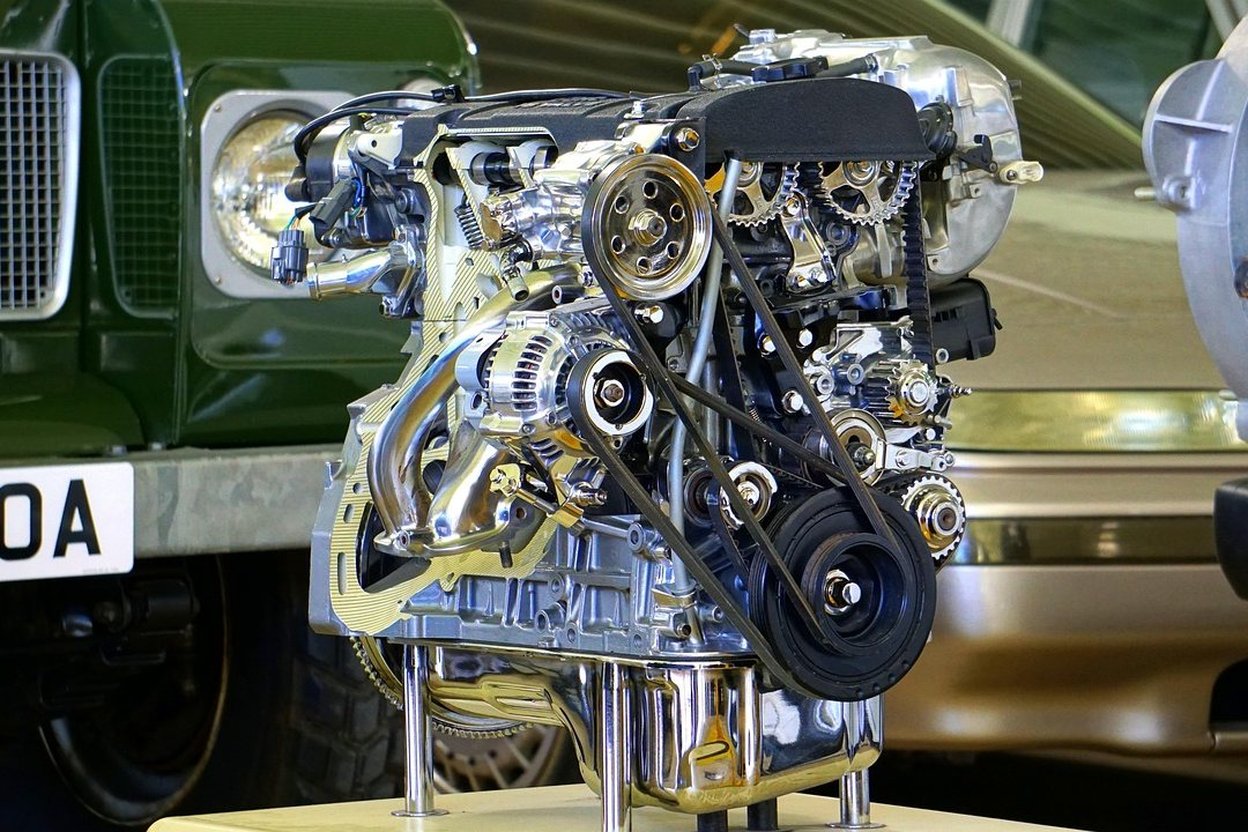
Sometimes a wreck is worth more in pieces. How to price an auction car as a parts donor, what actually sells, and the costs that turn a parts car into a loss.
Not every auction car is a flip. Some are worth more as parts: a good engine and transmission in a car with a bent frame, or a donor for a project you already have.
Here's how to tell whether the numbers work.
Be honest. Most parts on a car don't sell quickly, if at all. The ones that usually do:
Check what those parts actually sell for in your area, not the highest asking price you can find. See used parts sourcing for how the salvage yards price them.
A motor that "ran when parked" is worth a fraction of one that you've heard run. Auction run-and-drive checks are limited. A compression test or a video of it running before pulling it makes it easier to sell. See judging an auction vehicle you can't drive.
Add up what you're confident you can sell in 90 days, at real prices. Subtract everything above. If the answer isn't comfortably above your bid, pass.
Some lots are sold on a certificate or bill of sale for parts or dismantling only. Those cars can't be put back on the road in many states. That's fine for a parts car. Just know what you're buying. See when the title doesn't show up.
The best parts car is the one that saves you money on a car you're already fixing. Buying parts cars to sell parts is a real business, but it's slower and more work than most people think.
Photo by VariousPhotography on Pixabay.
Your project car sits until spring: how to store it right, move paint and body work indoors, and do bench work that doesn't need the car.
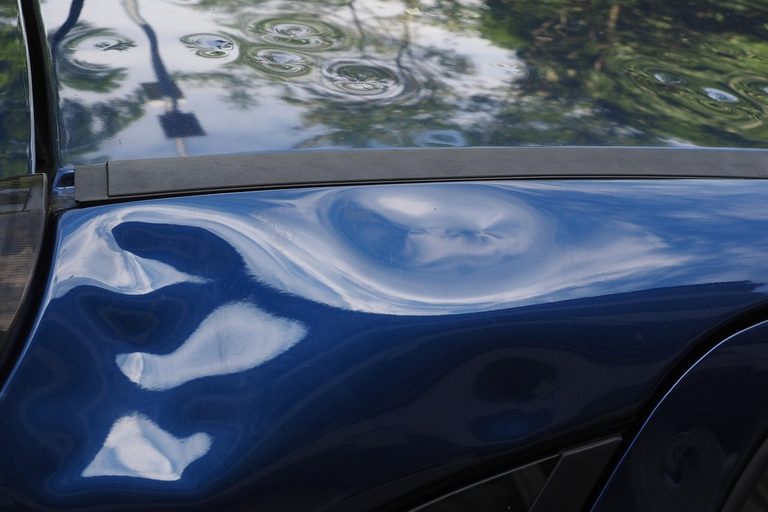
Hail-damaged trucks and collision trucks both end up at salvage auctions. What each kind of damage costs to fix, what you can't see in the photos, and which tends to be the…
A salvage-title car usually can't be registered or driven until it passes inspection, and that limits what insurance you can get. What to cover while it sits, and what changes once it's…