Auction Buying
What a Quick Walk-Around at the Auction Yard Can't Tell You
A quick yard walk-around can't show how a car runs, its frame, flood damage, or wiring. Here's what to check before you bid.
Plenty of cars sold on Marketplace and small lots came through a salvage auction. How to check a VIN for auction history before you buy, and what the photos tell you.
This one is for the buyer side of our world. A post on X this month showed a Mercedes listed for $14,000. The VIN showed it had sold at Copart as a total loss for around $6,000.
That's not always a scam. Rebuilt cars are legal to sell. The problem is when nobody tells the buyer.
If you flip auction cars, be upfront. Show the auction photos, the repair receipts and the rebuilt inspection. Buyers will find the history anyway. When they find it themselves, they walk. When you show them, many still buy, at a fair rebuilt price. See salvage vs. rebuilt titles.
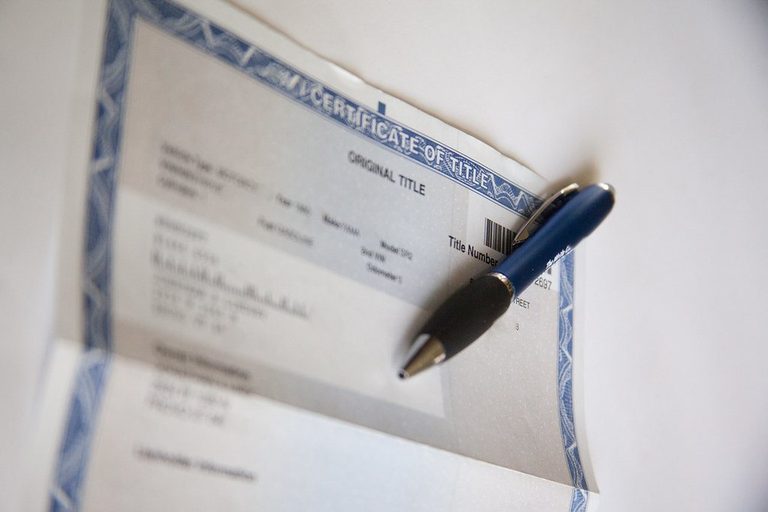
Some cars get moved through states with looser rules to drop the brand off the title. NMVTIS was built to stop that, but it doesn't catch everything. If the history is missing pieces, that's a reason to slow down.
The VIN check costs a few dollars. Skipping it can cost thousands.
Photo: 20180831-APHIS-LSC-0473 (29521359617).jpg) by U.S. Department of Agriculture, Public domain.
A quick yard walk-around can't show how a car runs, its frame, flood damage, or wiring. Here's what to check before you bid.
Copart lost your title and the DMV rejected your bill of sale? Here's what to ask for, what to get in writing, and the backup routes.
A Copart 'Front End' label doesn't say what hit the vehicle. Get the photo clues, the hidden deer-hit damage, and how to size the repair before you bid.