Auction Buying
What a Quick Walk-Around at the Auction Yard Can't Tell You
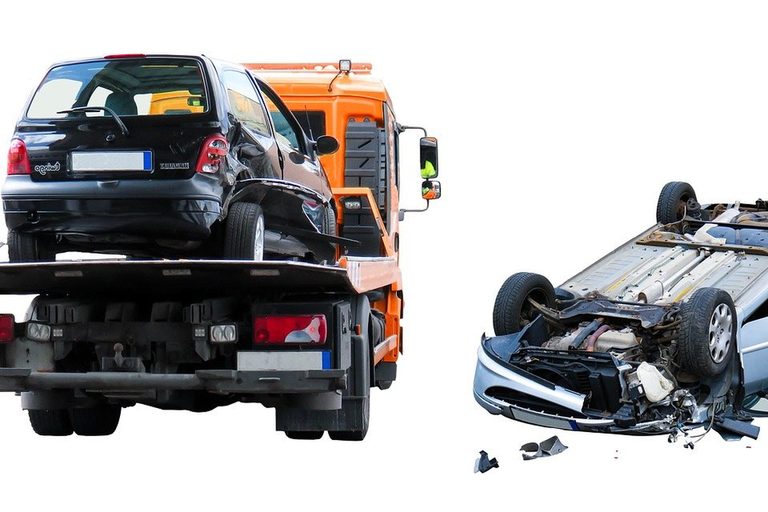
A quick yard walk-around can't show how a car runs, its frame, flood damage, or wiring. Here's what to check before you bid.
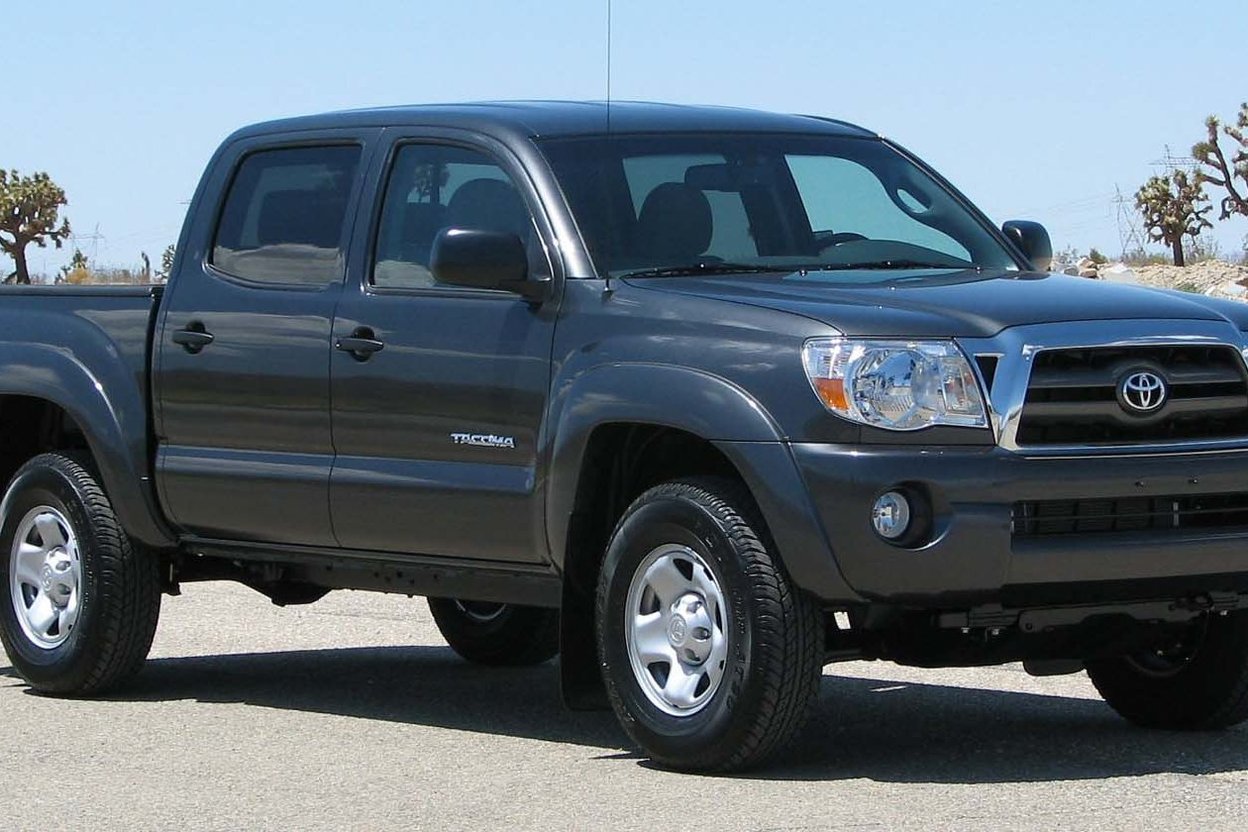
Second-generation Tacomas hold their value like few trucks do, even salvage ones. Frame rust, the leaf spring recall, and what to check before you bid on one.
The second-generation Toyota Tacoma (2005–2015) might be the best example of a truck that holds its value. People pay strong money for them, salvage title or not, because the drivetrain is known to run a long time. That makes them a good flip, but only if you know about the two big problems: the frame and the springs.
This is the big one. Frames on many 2005–2010 Tacomas rusted badly, especially in salt-belt states. Some rusted through, with holes big enough to put a hand through, near the rear leaf spring mounts and the crossmembers.
Toyota settled a class action over frame rust in 2016, valued at about $3.4 billion. Under the program, Toyota inspected trucks and replaced frames or bought trucks back.
What that means for you at auction:
If the listing doesn't show the frame and you can't see it in person, assume the worst on a northern truck.
In 2014, Toyota recalled about 690,000 2005–2011 Tacomas (4x4 and 2WD PreRunner) because the rear leaf springs could crack from stress and corrosion. A broken leaf could move and puncture the fuel tank.
The 4.0L V6 and 2.7L four-cylinder in this generation have reputations for running a very long time with basic maintenance. Both use timing chains, not belts.
Owners have reported cracks in the composite bed, often near the front corners, especially on trucks that carried heavy loads or went off-road. Check the bed in the photos.
Tacomas sell for strong money, so competition at auction is fierce. Don't get caught up in a bidding war on a rusty frame. Know your fixed value, subtract the damage, add a reserve for springs on any 2005–2011 and a big frame reserve on any northern 2005–2010 without a replacement frame, then fees and transport. See pricing a salvage flip and salvage vs. rebuilt title for resale value on a branded title.
A clean-framed second-gen Tacoma is one of the safest flips at auction. A rusty one can be scrap metal with a good engine.
Photo: 2009 Toyota Tacoma crew cab -- NHTSA by U.S. National Highway Traffic Safety Administration, Public domain.
A quick yard walk-around can't show how a car runs, its frame, flood damage, or wiring. Here's what to check before you bid.
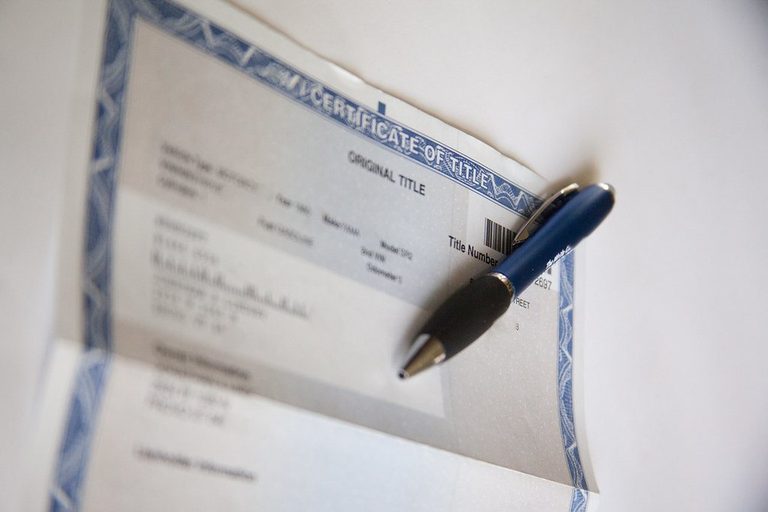
Copart lost your title and the DMV rejected your bill of sale? Here's what to ask for, what to get in writing, and the backup routes.
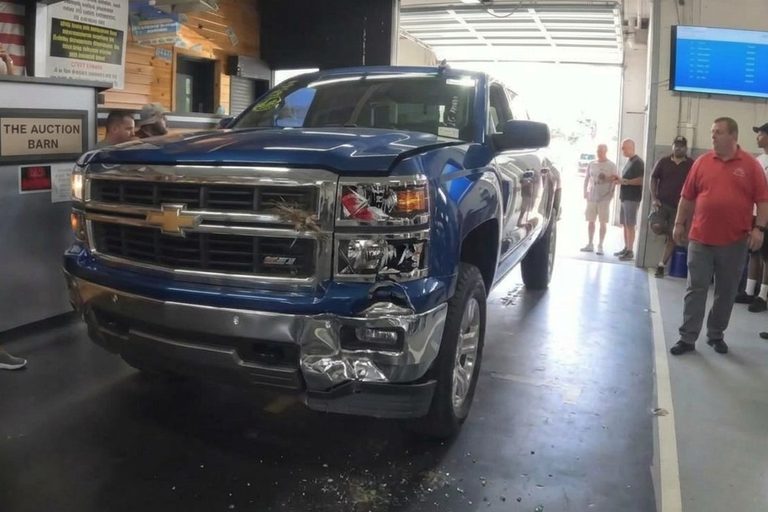
A Copart 'Front End' label doesn't say what hit the vehicle. Get the photo clues, the hidden deer-hit damage, and how to size the repair before you bid.