Auction Buying
What a Quick Walk-Around at the Auction Yard Can't Tell You
A quick yard walk-around can't show how a car runs, its frame, flood damage, or wiring. Here's what to check before you bid.

How to work out your maximum bid before the auction: start from the fixed retail value, subtract everything it will cost, and leave room for surprises and profit. With a worked example.
The most expensive mistake in auction flipping is deciding what to pay while the clock is running. The pros decide before the auction, on paper. Here's the method.
What will this vehicle sell for once it's fixed, with a rebuilt title if it has a salvage one, in your market? Look at local listings for the same year, trim, cab, engine, drivetrain and similar mileage, and knock down the clean-title prices for the title brand. Be honest; this number drives everything.
What's left is your maximum bid.
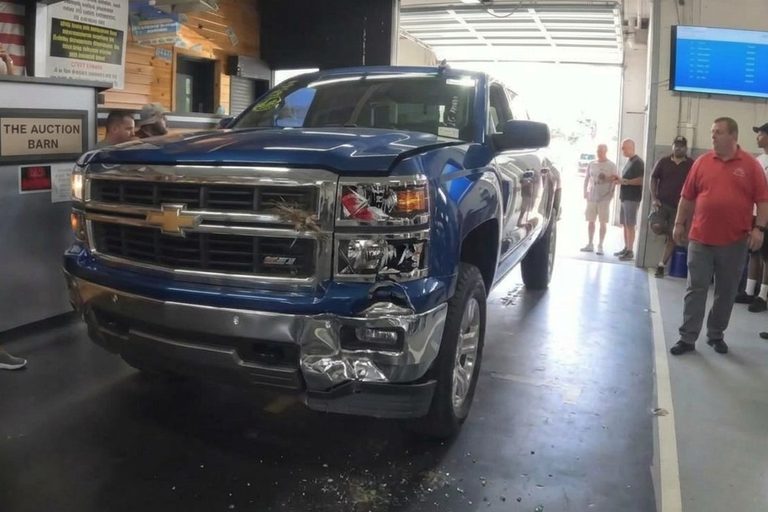
Say a pickup would sell for $24,000 fixed with a rebuilt title in your area.
$24,000 − $4,000 − $3,200 − $480 − $1,200 − $1,100 − $300 − $200 = $13,520 maximum bid.
The real fee schedule changes with the sale price, so recalculate when you're close. These numbers are only an example; plug in your own.
Getting the bid right is most of the profit. The wrenching is just the part people see.
See also Copart vs. IAA and buying at Copart without a dealer license.
Photo: still from Copart Long Island NY, 4K drone footage by itow on YouTube.
A quick yard walk-around can't show how a car runs, its frame, flood damage, or wiring. Here's what to check before you bid.
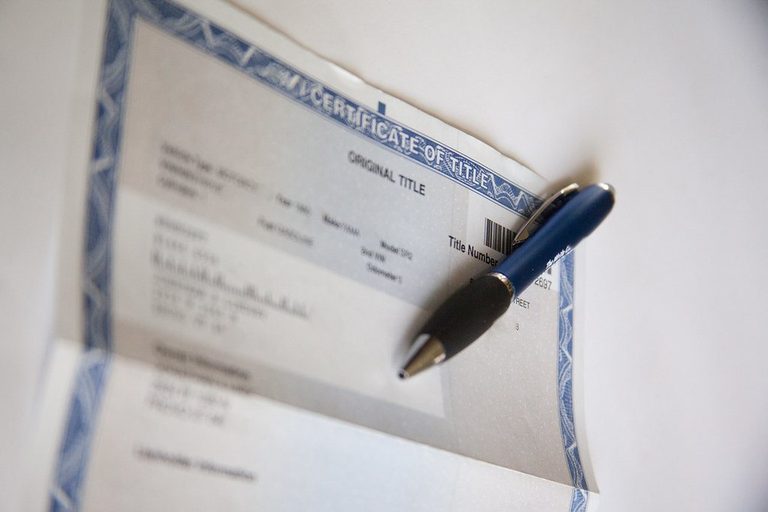
Copart lost your title and the DMV rejected your bill of sale? Here's what to ask for, what to get in writing, and the backup routes.
A Copart 'Front End' label doesn't say what hit the vehicle. Get the photo clues, the hidden deer-hit damage, and how to size the repair before you bid.