Auction Buying
What a Quick Walk-Around at the Auction Yard Can't Tell You
A quick yard walk-around can't show how a car runs, its frame, flood damage, or wiring. Here's what to check before you bid.
What every part of a Copart listing actually tells you: primary and secondary damage codes, sale documents, Run and Drive vs. Engine Starts, keys, odometer, and what the photos don't show.
A Copart listing packs a lot into a few lines. First-time buyers skim the photos and the price; experienced flippers read every field, because each one changes what the vehicle is worth. Here's what to look at.
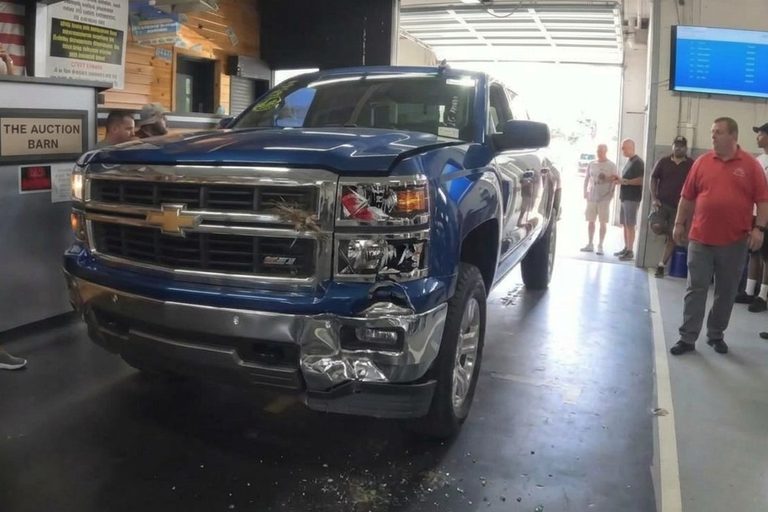
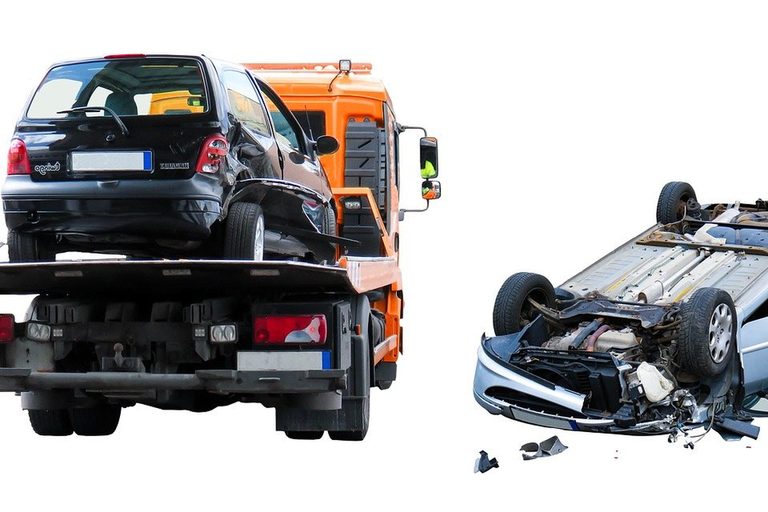
Each lot lists a primary damage and often a secondary damage, using codes like:
The damage listed is what Copart or the seller noted, not a full inspection. A "Front End" truck can still have a bent frame or a dead engine. Treat it as a starting point.
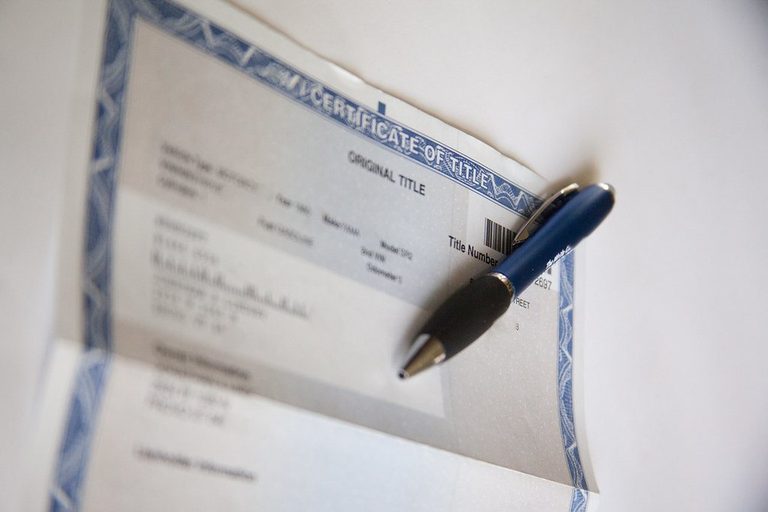
This is the most important line. Common types:
The sale document's state matters too. The rules for retitling come from your state and sometimes the state the title came from. See salvage vs. rebuilt titles.
"Keys: Yes" or "No." No keys on a modern vehicle can mean programming a new key or even replacing modules. Price it in.
Look for "Actual," "Exempt" or "Not Actual." Not Actual means the reading can't be trusted, which hurts resale.
These are estimates, not appraisals. Do your own math with real parts prices and local retail values.
Zoom in on every one. Look at panel gaps, the frame rails and frame horns, airbag covers, the dash for warning lights, tire condition, and the ground under the vehicle for fluids. What's missing from the photos matters too: no engine-bay photo on a front hit is a reason to be cautious.
Read the lot's notes, the location's terms, and your state's buyer rules before you bid. Then do the math: how to buy at Copart without a dealer license covers fees and the all-in price.
AutoBidMaster: Understanding damage codes; AutoBidMaster: The Run and Drive highlight; CarProxy: Copart terms.
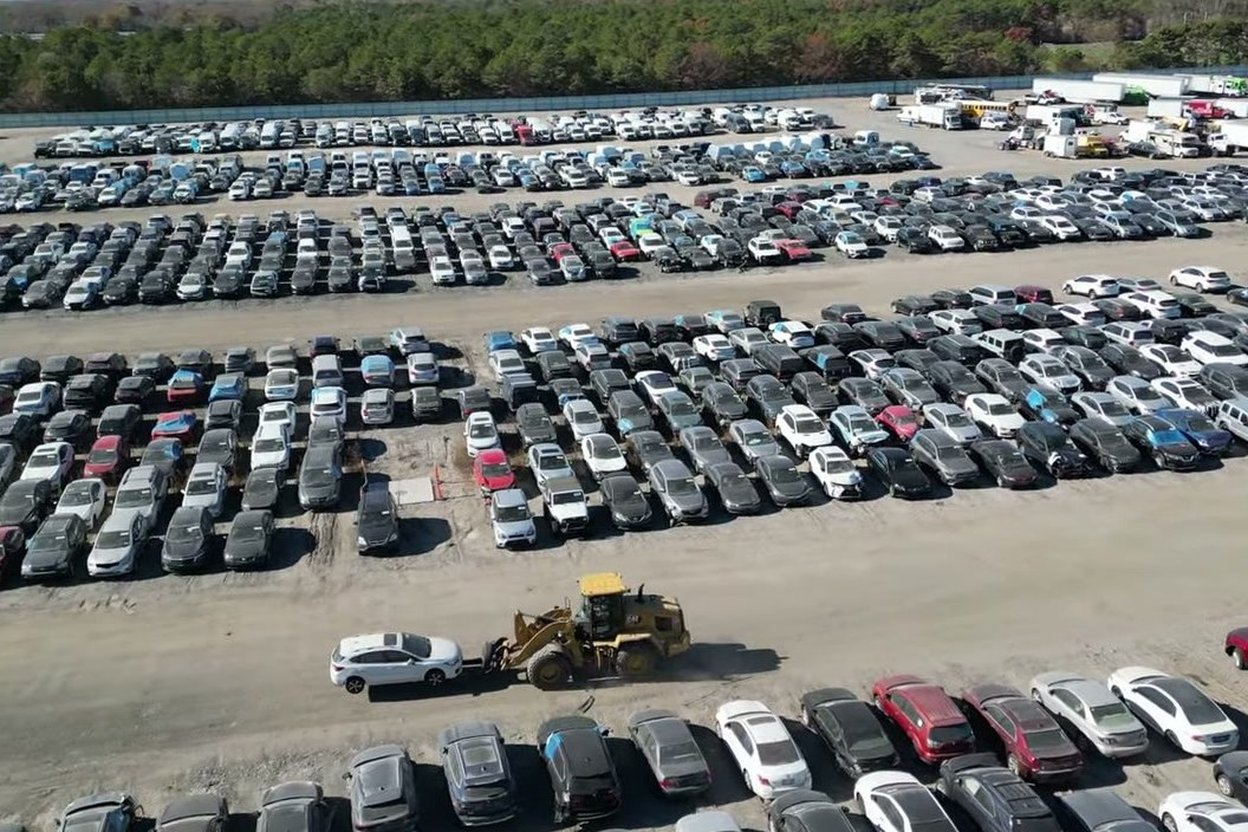
Photo: still from Copart Long Island NY, 4K drone footage by itow on YouTube.
A quick yard walk-around can't show how a car runs, its frame, flood damage, or wiring. Here's what to check before you bid.
Copart lost your title and the DMV rejected your bill of sale? Here's what to ask for, what to get in writing, and the backup routes.
A Copart 'Front End' label doesn't say what hit the vehicle. Get the photo clues, the hidden deer-hit damage, and how to size the repair before you bid.