Auction Buying
Copart Lost the Title and the DMV Won't Take Your Bill of Sale: What to Do Next
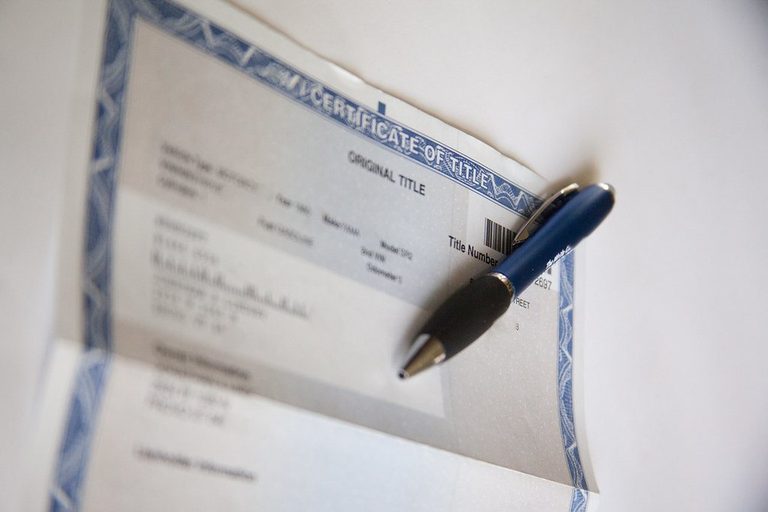
Copart lost your title and the DMV rejected your bill of sale? Here's what to ask for, what to get in writing, and the backup routes.
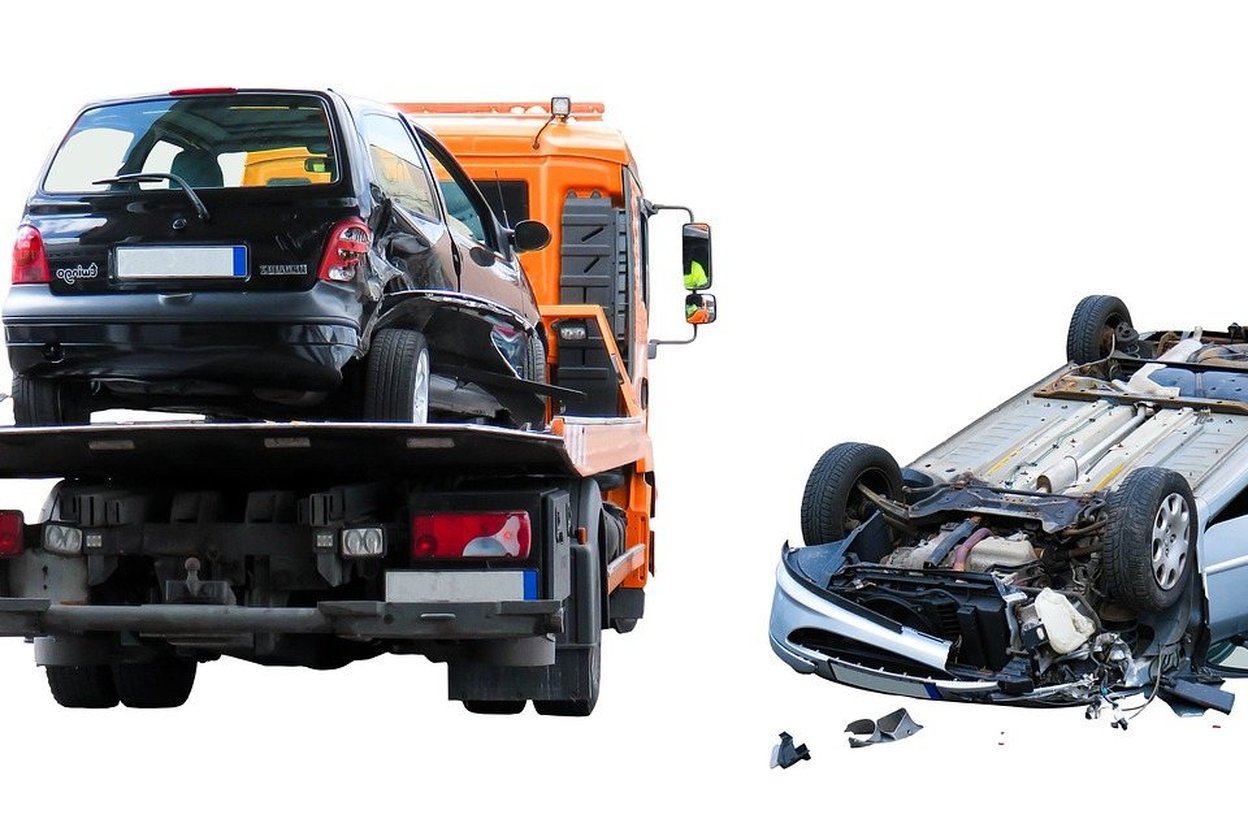
A quick yard walk-around can't show how a car runs, its frame, flood damage, or wiring. Here's what to check before you bid.
You've got a few minutes on a gray October morning, a list of lot numbers on your phone, and a row of wrecked trucks in front of you. You open a door, look at the dash, crouch at a fender and tell yourself you know what you're bidding on. You don't, at least not all of it. A short, cold walk-around can't tell you how a vehicle runs, drives or shifts. It can't show you a bent frame or unibody, flood damage under a clean surface, or the health of the wiring, airbags and computers. And the auction's "as is" terms leave every one of those risks with you.
A walk-around tells you about the skin: dents, hail, broken glass, a torn seat, missing trim, tires. That's the light damage I buy. It's what a dealer fixes on a trade-in before marking it up, and it's why auction buying works for regular people.
Here's what it doesn't tell you:
This isn't just me being cautious. The National Auto Auction Association, the trade group for wholesale auctions, says visual inspections "cannot reliably identify mechanical, ADAS, electrical, structural, or battery-related conditions." It also says a condition report is "not a warranty, guarantee, mechanical certification, or representation of future vehicle performance." That statement is about dealer wholesale auctions, but the point carries over. Copart sells every lot as is, and most of what's on its platform has a salvage title. Once the hammer falls, the vehicle and all its problems are yours.
Part of the blind spot is the rules. These are Copart's preview rules. IAA runs its own yards, so check its rules before you go.
Copart also says its listing information is "for convenience only." It's your job to confirm, research, inspect and investigate before you bid. Put that together and you're judging a vehicle by eye and by hand, with no drive, no scan and maybe no start. That's why the labels on the listing matter so much, and why you can't lean on them too hard.
First-timers see "Run and Drive" and relax. Don't.
At Copart, Run and Drive means that when the vehicle arrived at the yard, it started, went into gear and moved forward under its own power. Engine Start means it started and ran at idle when it arrived. Both describe the vehicle on the day it came in, which could be weeks before the sale.
Copart says there's no guarantee a Run and Drive vehicle will start or move at pickup. It also states there's "no guarantee, representation, or warranty that the vehicle is in roadworthy condition."
So a Run and Drive truck might crank right up on pickup day, or it might have a dead battery from sitting, a leak that drained something, or a transmission that moved it ten feet at intake and won't do much more. "Moved forward under its own power" doesn't tell you whether it shifts through all the gears, holds a highway speed, or stops straight. If you're planning to drive it home instead of shipping it, plan for the chance it won't make the trip. Have a backup like a trailer, a tow or a shipper's number before you bid, not after.
Still, these labels beat nothing. A vehicle that started and moved at intake is a better bet than one that didn't. Just treat the label as one old fact, not a promise.
This is where people lose real money, and it's the hardest thing to see on a quick walk.
Frame damage isn't always easy to spot unless the listing photos show it. A unibody bend can hide behind a bumper cover and a fender that look like ordinary body damage. Fire is another trap: the heat can weaken metal, frame included, and cook wiring and plastics that look fine from a few feet away. Engine damage is hard to diagnose even with tools, and you won't have any.
What a quick look can catch, if you slow down:
Those clues tell you something might be wrong. A clean-looking set doesn't tell you the structure is straight. A walk-around can only rule a car out. It can't clear one.
Flood cars are the other big trap, and fall is when it bites. Hurricane-season water damage keeps working through the system and into the auction rows. NICB says flood-damaged vehicles can look normal outside while hiding damage to the electrical system, engine, transmission, brakes and safety systems. Its August 2026 estimate is about 530,000 flood-damaged vehicles on US roads.
Wiring, sensors, computers and airbag systems are the parts that fail later, often after you've paid, hauled it home and registered it. On the lot, look for NICB's signs:
Deployed airbags are related. A deployment "isn't necessarily a dealbreaker," but it can mean a hard crash with damage you can't see, and you won't know which until you look closely.
You can't close every blind spot, but you can shrink them before you bid.
Stick to light damage you can see and price: hail, a fender, a seat, glass, tires, a switch or a sensor. That's the same job a dealer does on a trade-in, just without their markup, their finance office, or anyone holding your keys.
Photo by garten-gg on Pixabay.
Copart lost your title and the DMV rejected your bill of sale? Here's what to ask for, what to get in writing, and the backup routes.
A Copart 'Front End' label doesn't say what hit the vehicle. Get the photo clues, the hidden deer-hit damage, and how to size the repair before you bid.
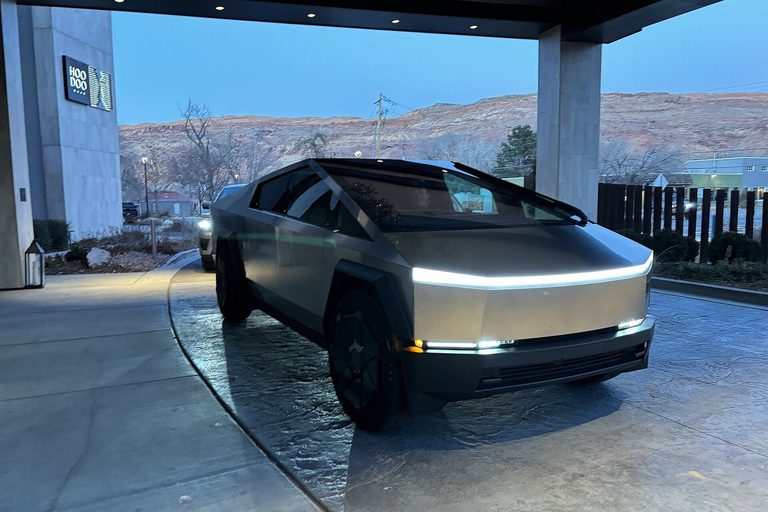
A $29,900 crashed Cybertruck bid is just the first line. Fees, transport, title and a Tesla-certified repair can push the real cost past its worth.