Auction Buying
What a Quick Walk-Around at the Auction Yard Can't Tell You
A quick yard walk-around can't show how a car runs, its frame, flood damage, or wiring. Here's what to check before you bid.

You don't need a dealer license to buy at Copart, but your state and the title type decide whether you bid yourself or through a broker. How it works, what it really costs, and the traps first-timers fall into.
Copart is where a lot of trucks, cars, bikes and equipment go after an insurance company totals them. It's also one of the best places to find a project you can fix and flip, if you know the rules. The first question everybody asks: do I need a dealer license?
Short answer: no, you don't need a dealer license to buy at Copart. But depending on your state and the kind of title on the vehicle, you may not be allowed to bid yourself. In a lot of states you'll go through a broker.
The rules aren't Copart's. They come from state laws about who can buy salvage and some clean-title vehicles at a dealer auction. That's why the same truck can be open to public bidding in one state and broker-only in another.
On every Copart listing, look at the sale document and whether the lot says a license or broker is required for your account. That's the final word for that vehicle. Rules change, so check before you fall in love with a truck.
To bid, you set up a Copart account with your ID and a payment method. Copart offers paid membership levels with different bidding limits and a refundable security deposit. Check Copart's current membership page for today's prices; they change.
If your state or the title requires it, you'll use a registered broker. You pick the vehicle, the broker places the bid under their license, and you pay and arrange pickup. Brokers charge a fee per vehicle. As one example, SalvageReseller lists a per-vehicle broker fee of $299 or 10% for its basic level, lower with its paid plans. Shop brokers like you'd shop anything else.
The hammer price isn't what you pay. First-timers get burned here more than anywhere. Your all-in number includes:
Do the math backwards: what will the vehicle sell for fixed, minus parts, labor, fees, transport and your profit. That's your maximum bid. Write it down before the auction and don't go a dollar over in the moment.
You usually can't drive it, and often can't even start it. So read everything:
If you can, go look at it in person or pay someone to. Many yards allow previews.
After you win, you'll have a short window to pay and a short window to pick up before storage starts. Line up your transport before the auction, not after.
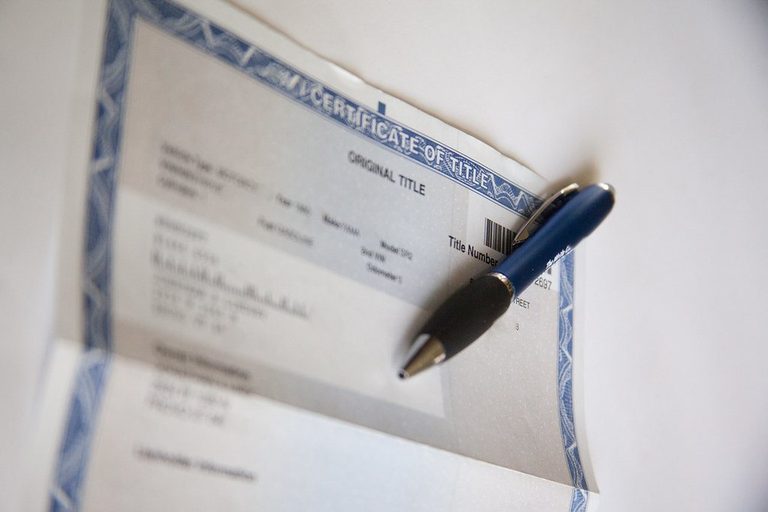
Then comes the paperwork. A salvage-title vehicle usually needs repairs and a state inspection before it can get a rebuilt title and plates. Most states want to see your parts receipts and photos of the repair at that inspection, so keep every receipt and take pictures as you go.
Anyone can buy at Copart. The license question is really a state-rules question, and a broker solves it for a fee. The people who make money do their homework before the auction: they know their state's rules, the true all-in cost, and their walk-away number.
We'll go deeper on each of these: the listing codes, buyer fees with a worked example, and what to check on specific trucks before you bid.
SalvageReseller: Membership; CarProxy: Michigan; CarProxy: Florida; AutoBidMaster: Auto auction licensing by state.
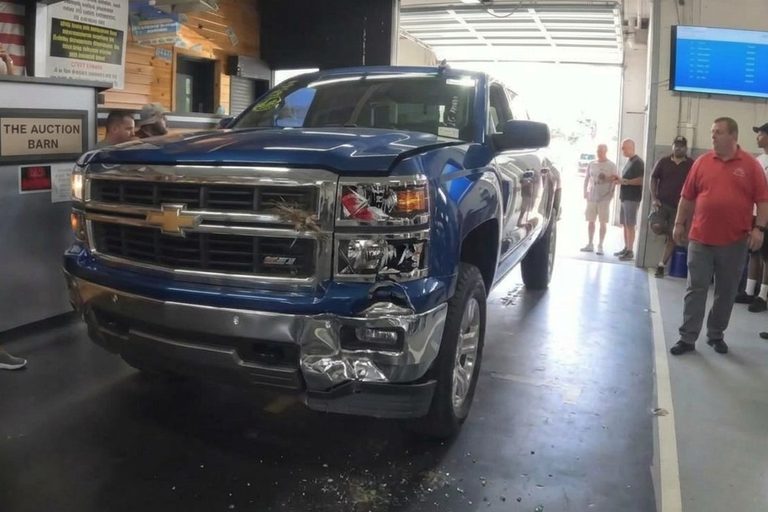
Photo: still from Copart Long Island NY, 4K drone footage by itow on YouTube.
A quick yard walk-around can't show how a car runs, its frame, flood damage, or wiring. Here's what to check before you bid.
Copart lost your title and the DMV rejected your bill of sale? Here's what to ask for, what to get in writing, and the backup routes.
A Copart 'Front End' label doesn't say what hit the vehicle. Get the photo clues, the hidden deer-hit damage, and how to size the repair before you bid.