Auction Buying
What a Quick Walk-Around at the Auction Yard Can't Tell You
A quick yard walk-around can't show how a car runs, its frame, flood damage, or wiring. Here's what to check before you bid.

Many salvage lots are open only to licensed buyers. A broker can bid for you, for a fee. What brokers charge, what they do, and how to keep the fee from eating the deal.
Plenty of first-time buyers find out the hard way: not every Copart car is open to the public. In many states, salvage-title cars can only be bought by licensed dealers, dismantlers or rebuilders. Everyone else buys through a broker.
A broker is a licensed business that bids on your behalf using their license. You pick the car, set your max bid, and they place the bids. If you win, the car is bought under their account, and they pass it to you.
See how to buy at Copart without a dealer license for which lots are public and which aren't.
Brokers charge their own fees on top of Copart's fees. Depending on the broker and the car, that can include:
Buyers in online forums report broker costs adding several hundred dollars to as much as $1,000 to $2,000 on a car once everything is in. Always get the full fee list before you sign up.
Most brokers want a wire transfer. Many don't take cards at all. See wire or card.
Add the broker fee to everything else: bid, auction fees, transport, parts, inspection, title. See what a $3,000 bid really costs. On a cheap car, broker fees can wipe out the deal. On a more expensive one, they're a smaller slice.
If you're going to buy more than a few cars a year, look into what it takes to get your own license in your state. It may cost less than the broker fees.
Photo by Pexels on Pixabay.
A quick yard walk-around can't show how a car runs, its frame, flood damage, or wiring. Here's what to check before you bid.
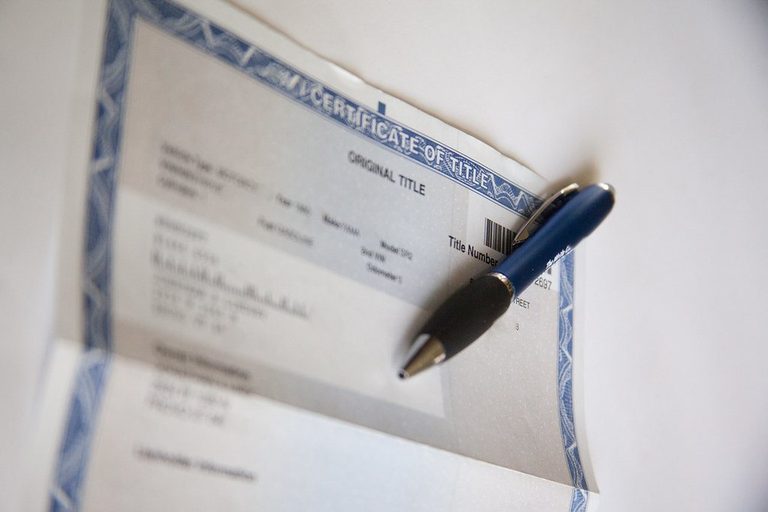
Copart lost your title and the DMV rejected your bill of sale? Here's what to ask for, what to get in writing, and the backup routes.
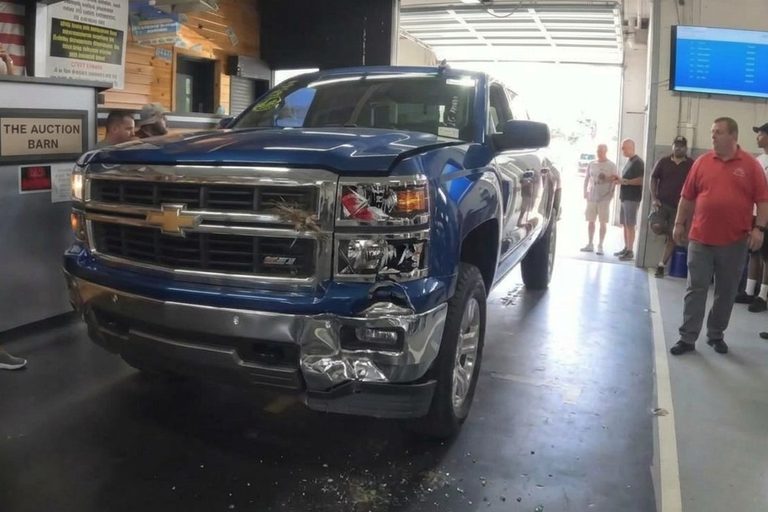
A Copart 'Front End' label doesn't say what hit the vehicle. Get the photo clues, the hidden deer-hit damage, and how to size the repair before you bid.