Auction Buying
What a Quick Walk-Around at the Auction Yard Can't Tell You
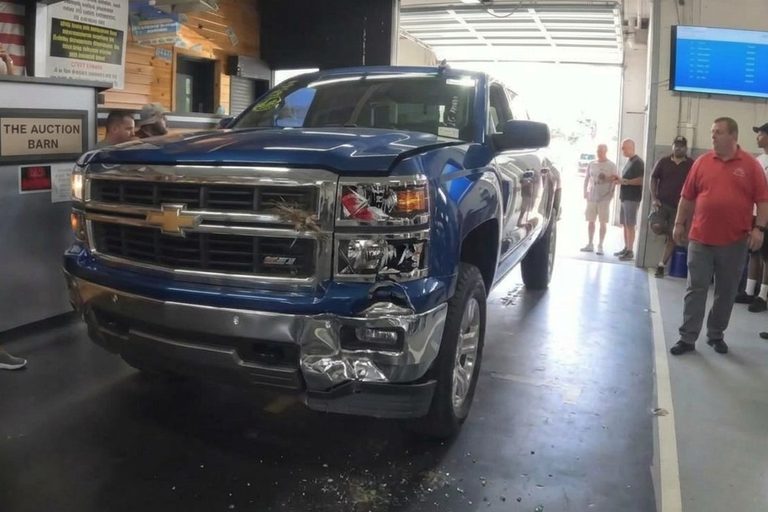
A quick yard walk-around can't show how a car runs, its frame, flood damage, or wiring. Here's what to check before you bid.

The bid is not the price. A $3,000 Copart win, line by line: buyer fee, gate, environmental, internet bid fee, transport, and what's left before the first part.
New buyers look at the bid. Experienced buyers look at the all-in number. On a cheap car, the gap between them is bigger than most people expect.
Here's a $3,000 Copart win, using a fee table published in September 2026 by SAKAEM, a transport company that moves Copart cars every day. Your yard, state and member type can change the exact numbers, so check Copart's own fee calculator before you bid.
On SAKAEM's numbers, that puts a $3,000 sedan at roughly $4,200 to $4,400 delivered, before a single part, fluid or tire. That's 40 to 45 percent on top of the bid.
The same $3,000 bid paid with an unsecured method (like a card) carries an $830 buyer fee instead of $655. That's $175 for the convenience.
Work backward. Start with what the car is worth fixed, subtract parts, labor, title and inspection costs, your profit, and all of the fees above. What's left is your max bid. See pricing a salvage flip and Copart buyer fees explained.
On cheap cars, fees eat the margin. A $1,000 car can carry fees that are more than half its price. That's why plenty of flippers skip the bottom of the market.
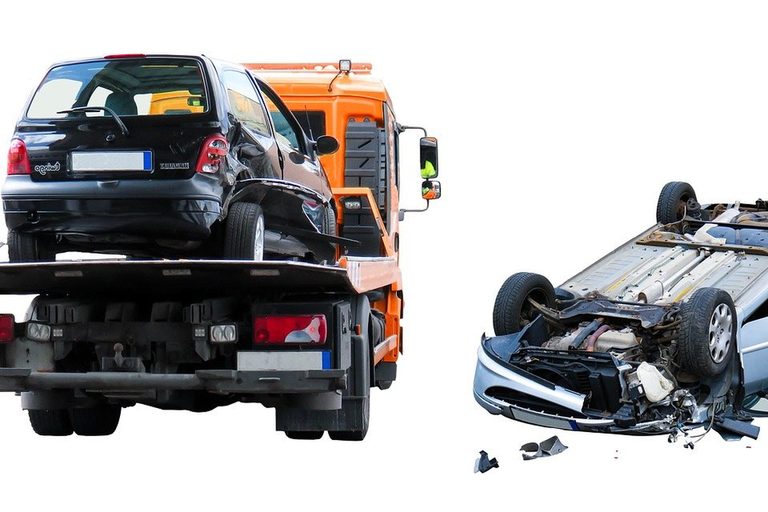
Photo by monikabaechler on Pixabay.
A quick yard walk-around can't show how a car runs, its frame, flood damage, or wiring. Here's what to check before you bid.
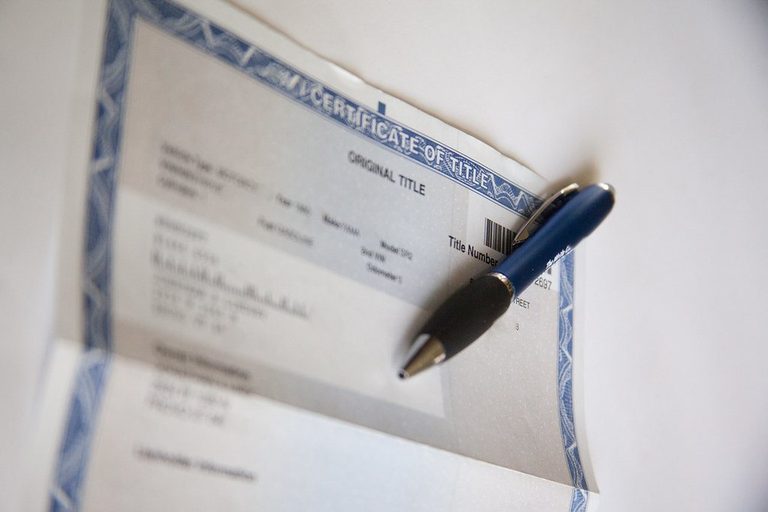
Copart lost your title and the DMV rejected your bill of sale? Here's what to ask for, what to get in writing, and the backup routes.
A Copart 'Front End' label doesn't say what hit the vehicle. Get the photo clues, the hidden deer-hit damage, and how to size the repair before you bid.