Auction Buying
What a Quick Walk-Around at the Auction Yard Can't Tell You
A quick yard walk-around can't show how a car runs, its frame, flood damage, or wiring. Here's what to check before you bid.
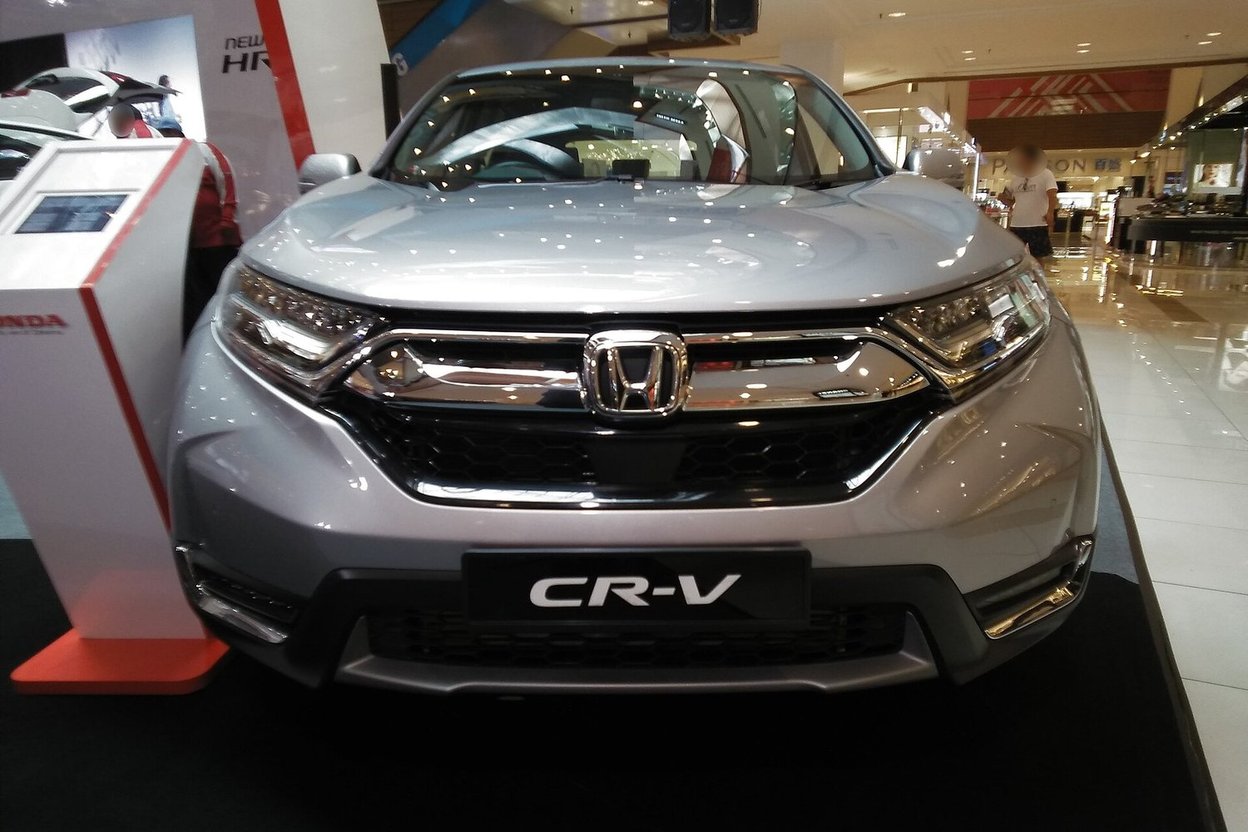
What to check on a 2017–2019 CR-V at auction: the 1.5T oil dilution problem and what Honda did about it, recalls, A/C seal leaks and phantom braking.
On a 2017–2019 Honda CR-V, check the oil first. Pull the dipstick on any 1.5-liter turbo (EX, EX-L, Touring). If the level sits above the full mark or the oil smells like gasoline, that's the known oil-dilution problem. Honda's fix was a software update and a longer warranty, and that warranty has almost certainly run out on any car you'd buy today. After the oil, look at the open recalls, the A/C compressor seal, and the Honda Sensing braking complaints NHTSA is still looking at.
That's the short list. Here's what each one means for your bid.
The 2017 CR-V came with two engines. The base LX got a 184-hp 2.4-liter four-cylinder. Every other trim got a 190-hp 1.5-liter turbo four. Both used a CVT.
The oil-dilution story belongs to the 1.5 turbo. An LX with the 2.4 doesn't have it, so a lot of the risk on this generation depends on trim. Check the trim on the listing, then confirm it with a VIN decode. Don't trust a seller's title line that just says "CR-V." Reading a Copart listing covers where the trim and engine show up.
Here's what goes wrong. Fuel that doesn't burn completely gets past the piston rings and into the crankcase, where it mixes with the oil. The oil level goes up between changes instead of down. Owners reported a fuel smell, sometimes in the cabin, plus rough running, misfires, a check-engine light, lost power, and in some cases stalling, especially in cold weather.
Short trips in cold weather make it worse, because the engine never gets hot enough to burn the fuel back out of the oil. Consumer Reports also heard from owners in warm states like California and Texas, so a southern car isn't automatically clean.
That 6-year clock started when the first owner bought the car. A 2017 or 2018 CR-V sold new in 2017–2018 ran out of coverage around 2023–2024. Plan on paying for any cam, rocker or plug work yourself.
Before you bid, a Honda dealer can tell you from the VIN whether the software update was done. Call the service desk with the VIN. It's free, and an unflashed car is one more thing on your to-do list.
If the car can't be started, judging a car you can't drive covers what you can still learn from it sitting still.
For your bid: on a car with diluted oil, budget at least for oil changes and plugs. If it's been misfiring for a long time, leave room for cam and rocker work too. Get a real local quote rather than guessing, and put it on your max-bid sheet.
Run the VIN through NHTSA's recall lookup (nhtsa.gov/recalls) and Honda's owner site. Recall repairs are free at a Honda dealer even on a salvage or rebuilt car, and it's better to know before the gavel. The big ones for this generation:
On a car with deployed bags, the steering wheel recall matters even more. Check it before you buy a used wheel from a yard. Airbag-deployment cars covers the rest of that repair.
In May 2023, Honda extended the warranty on the A/C compressor shaft seal on certain 2017–2022 CR-Vs to 10 years from the original purchase date, no mileage limit. According to Honda's bulletin, the newer refrigerant and oil can make the seal swell, wear and leak.
On a 2017 sold new in early 2017, that coverage runs into 2027. On a later car it runs longer. If the A/C blows warm, a dealer may fix the seal under the extension, but whether a salvage or rebuilt title affects that is between you and the dealer. Ask before you count on it.
In fall you can't test A/C by feel in a cold yard anyway. Look for oily residue around the compressor nose in the photos and plan for a recharge either way.
In February 2022, NHTSA opened an investigation into 2017–2019 CR-Vs and 2018–2019 Accords. Owners reported the automatic emergency braking slamming on with nothing in the way. In 2024 the agency upgraded it to an engineering analysis and widened it to about 3 million vehicles, including 2020–2022 CR-Vs. It cited 2,876 complaints, 47 crashes and 93 injuries.
No recall had been ordered as of the last reports, but check NHTSA for the current status. On a wrecked CR-V, the radar and camera often take the hit. A front-end car needs a working, calibrated sensor system before it goes back on the road. Budget for the calibration, and test-drive for false braking after the repair. A buyer who gets a phantom stop on the highway will remember who sold it to them.
Photo: 2018 Honda CR-V 1.5 TC-P 2WD (1).jpg) by Bindydad123, CC BY-SA 4.0.
A quick yard walk-around can't show how a car runs, its frame, flood damage, or wiring. Here's what to check before you bid.
Copart lost your title and the DMV rejected your bill of sale? Here's what to ask for, what to get in writing, and the backup routes.
A Copart 'Front End' label doesn't say what hit the vehicle. Get the photo clues, the hidden deer-hit damage, and how to size the repair before you bid.