Auto Rehab
Too Cold to Work Outside: What to Do With Your Project Car Until Spring
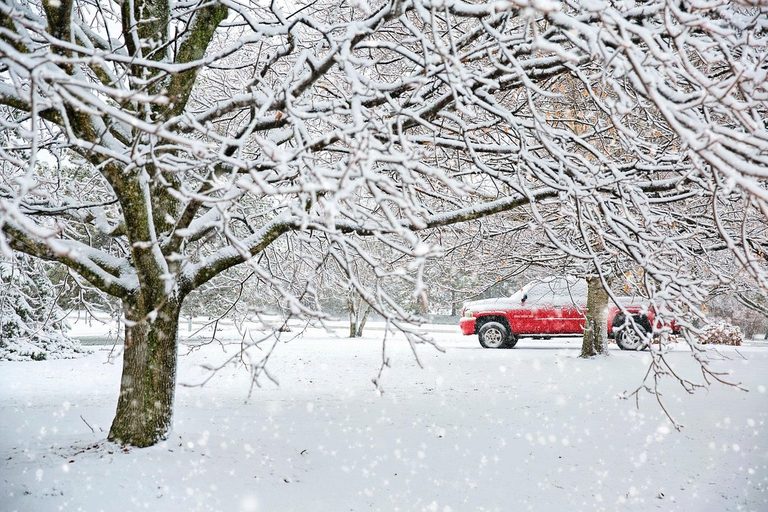
Your project car sits until spring: how to store it right, move paint and body work indoors, and do bench work that doesn't need the car.
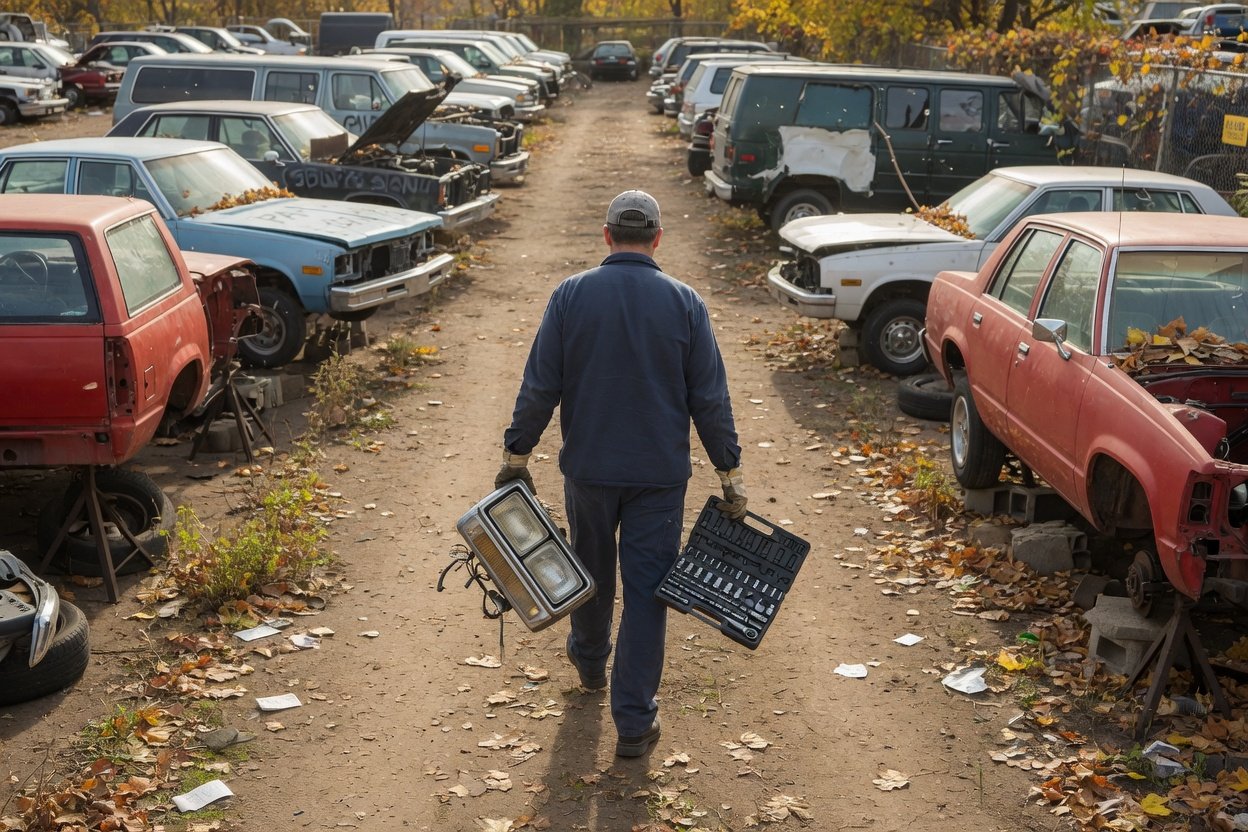
Used parts are how a salvage flip makes money. Where to find them, how to search by interchange, when to pull your own, and what to buy new.
The difference between a salvage flip that makes money and one that doesn't is usually the parts bill. New OEM parts from a dealer can eat your profit in one order. Used parts from a salvage yard, at a fraction of the price, are how this business works.
Car-Part.com searches the inventory of salvage yards across the country. You pick the year, make, model and part, and it shows you which yards have one, its condition grade, mileage (for engines and transmissions) and price.
LKQ is the largest auto parts recycler in North America. It sells used OEM parts, remanufactured engines and transmissions, and aftermarket parts. Big recyclers like this have:
They're usually a little pricier than a small yard, but faster and easier.
Self-service yards like LKQ Pick Your Part and Pull-A-Part let you walk in with your tools and pull the part yourself. Prices are posted by part type, not by vehicle, so a headlight costs about the same whether it came off an economy car or a luxury SUV.
A part off a different model or year often fits. Ford, GM and Chrysler share parts between trucks and SUVs, and many models keep the same parts for several years.
Usually fine used:
Usually buy new:
If you're going for a rebuilt title, your state may want receipts for the parts you used, with the donor vehicle's VIN for major parts. Keep everything.
Before you bid on a car, price the parts. Search the big ones (bumper, headlights, hood, radiator, airbags) on Car-Part.com and at your local pull-your-own yards. That number goes straight into pricing a salvage flip.
Your project car sits until spring: how to store it right, move paint and body work indoors, and do bench work that doesn't need the car.
Hail-damaged trucks and collision trucks both end up at salvage auctions. What each kind of damage costs to fix, what you can't see in the photos, and which tends to be the…
Sometimes a wreck is worth more in pieces. How to price an auction car as a parts donor, what actually sells, and the costs that turn a parts car into a loss.