Auction Buying
What a Quick Walk-Around at the Auction Yard Can't Tell You
A quick yard walk-around can't show how a car runs, its frame, flood damage, or wiring. Here's what to check before you bid.
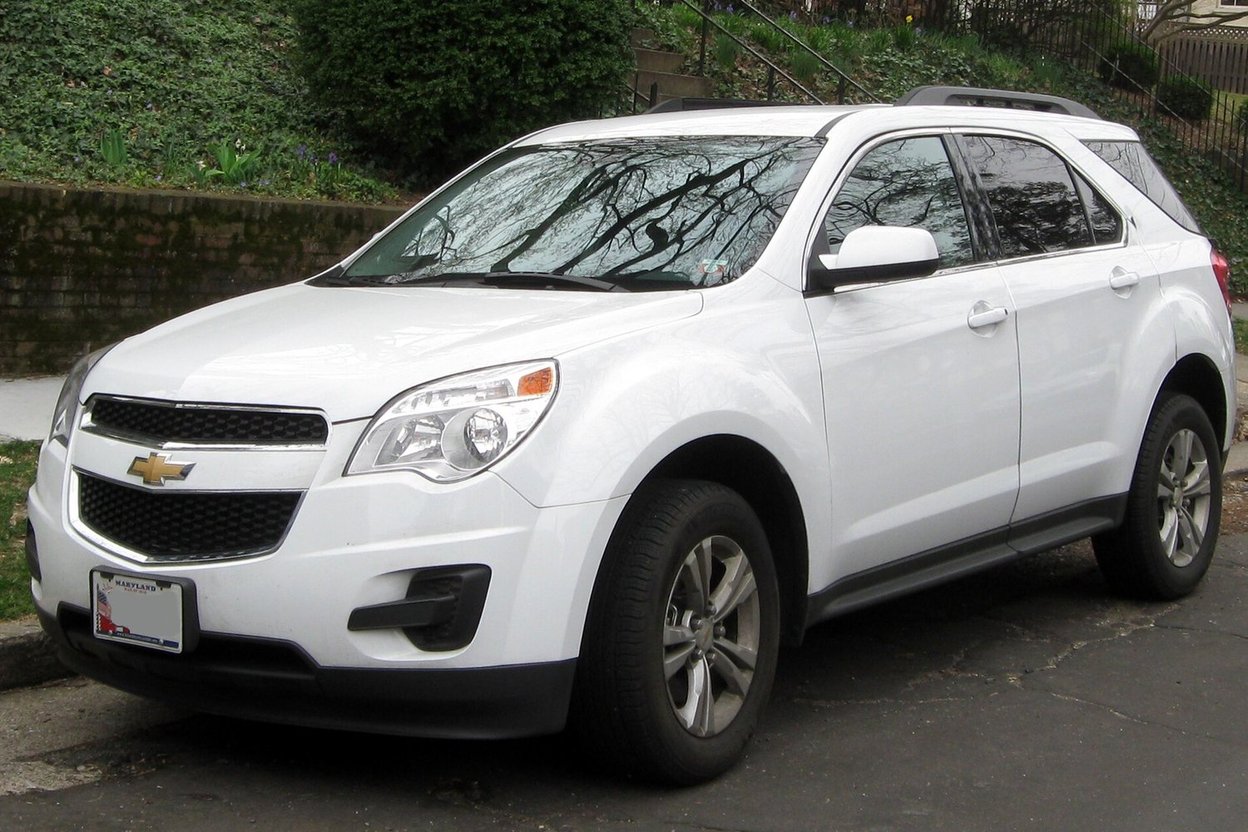
What goes wrong on 2010–2017 Equinox: 2.4L oil burning, timing chains, wipers and more, plus how to check them on a car you can't drive.
On a 2010–2017 Chevy Equinox, the engine is what decides the bid. The 2.4L four-cylinder that went into most of them has a well-documented habit of burning oil through worn piston rings. When the oil runs low, the timing chain stretches, and an engine that jumps time can be ruined. GM's extended coverage for the oil problem expired years ago, so anything you buy today is your cost to fix. Bid on a 2.4L Equinox as if it might need a motor, unless the listing gives you a reason to think otherwise.
With the engine priced in, these are cheap, common crossovers with plenty of used parts, and they move fast on the resale lot. Here's what to check, by engine and by system.
This generation ran from 2010 through 2017, with a facelift for 2016. Three engines were offered:
The 8th character of the VIN is the engine code. Decode it before you bid. Don't go by the listing title or the badge on the liftgate, because auction listings get it wrong often enough that you shouldn't count on them.
This is the big one. GM's own fix was to replace all four piston assemblies, which tells you where the problem lives: the piston rings. GM's special coverage defined excessive consumption as burning a quart in less than 2,000 miles. Owners on forums report much worse than that.
GM issued special coverage adjustments for 2010–2013 Equinox and GMC Terrain models with the 2.4L. The 2011 bulletin covered the repair for 7 years 6 months or 120,000 miles. The 2010 coverage ran 10 years or 120,000 miles. Do the math on a 2013 and you'll see every one of those windows has closed.
The lawsuits are over too. In Siqueiros v. General Motors, a jury found GM liable in October 2022 and awarded $102.6 million to roughly 38,000 class members, about $2,700 each. The case was later settled for owners in California, Idaho and North Carolina. None of that helps you as the next buyer of a salvage car.
What that means at the auction:
An Equinox that has already had pistons replaced, with dealer paperwork in the glovebox, is worth more to you. Most won't have that paperwork. Assume the rings are original.
The 2.4L has a timing chain with a hydraulic tensioner and plastic guides, and the whole setup runs on engine oil. When oil consumption leaves the engine a quart or two low, the tensioner loses pressure, slack builds, the chain stretches and the guides wear or break. If the chain jumps a tooth, you get valve-to-piston contact, and at that point the engine is a core.
The codes to look for are the cam/crank correlation family:
P0010–P0014 point to the cam actuator solenoids or their circuits. GM bulletin 17-NA-098 covers solenoid failures on 2010–2012 2.4L engines, and the part runs roughly $48–$58. That's an easy fix, so don't let a P0011 alone scare you off. A P0016 with a rattle on cold start is a different story. Most auction listings won't show codes, which is why a run-and-drive or engine-start note is worth paying a little more for on these.
A timing job on a 2.4L that hasn't jumped is doable in a driveway with patience. But if the engine burns oil, a new chain only buys time. The rings are still the problem, and a used engine is often the more sensible repair. Price one on Car-Part.com or at a pull-your-own yard before you set your max bid.
3.0L V6 (2010–2012): this one has a reputation for timing chain stretch too, and it's a bigger job than on the four-cylinder because there are multiple chains on a V6. The same correlation codes apply. A 3.0 with a chain rattle at idle is a parts car unless the numbers are very low.
3.6L V6 (2013–2017): the better bet of the three. Chain failures on the 3.6 are less common in this application and usually trace back to skipped oil changes. It's the engine to look for if you're shopping to keep, but there are far fewer of them at auction.
The wiper linkage ball joints corrode and separate, and the wipers stop working. Sometimes it's one arm, sometimes both, and it can happen in the middle of a rainstorm.
Open recalls follow the VIN, not the owner. A salvage or rebuilt 2014–2015 can still get the wiper recall done at a Chevy dealer. Check the VIN at NHTSA's recall lookup before you bid and again after you buy. It takes about 30 seconds.
On a 2.4L Equinox, the engine works like an option on your max bid. Either you paid for a good one or you priced in a bad one.
It's fall, so flood cars from summer and early fall storms are moving through the yards right now. A salvage Equinox with clean paint and no listed damage deserves a hard look for water.
The Hyundai/Kia Theta II engines call for the same approach: when the engine has a known failure, it sets your price no matter what the body damage looks like.
Photo: 2nd Chevrolet Equinox -- 03-16-2012 by IFCAR, Public domain.
A quick yard walk-around can't show how a car runs, its frame, flood damage, or wiring. Here's what to check before you bid.
Copart lost your title and the DMV rejected your bill of sale? Here's what to ask for, what to get in writing, and the backup routes.
A Copart 'Front End' label doesn't say what hit the vehicle. Get the photo clues, the hidden deer-hit damage, and how to size the repair before you bid.