Auction Buying
What a Quick Walk-Around at the Auction Yard Can't Tell You
A quick yard walk-around can't show how a car runs, its frame, flood damage, or wiring. Here's what to check before you bid.
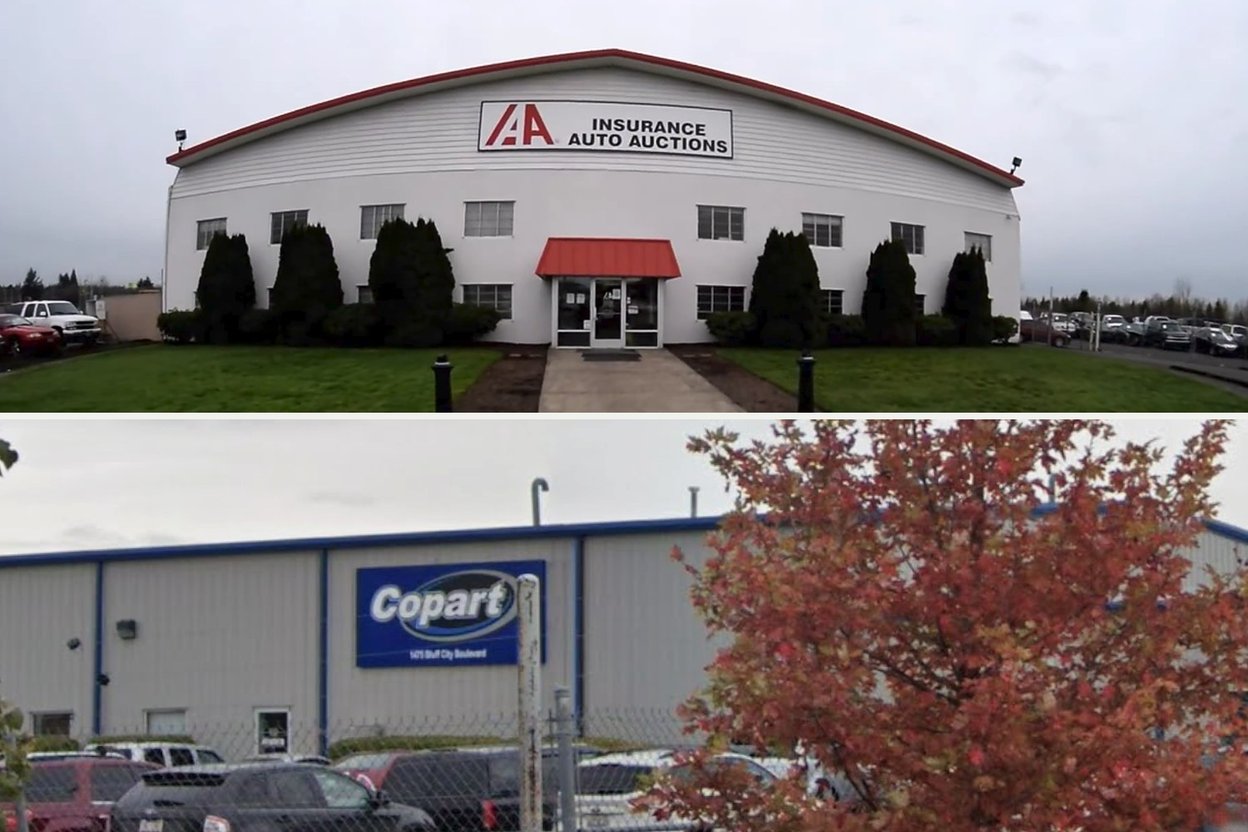
Copart and IAA are the two giants of salvage and insurance auctions. How they differ on inventory, public access, fees and buying experience, and how flippers use both.
If you buy wrecked or used vehicles to fix and flip, you'll end up on two websites more than any others: Copart and IAA. They're the two biggest salvage and insurance auction companies in the country. They look alike from a distance, but there are differences that matter when you're the one bidding.
Both sell totaled, damaged and recovered-theft vehicles for insurance companies, plus rental and fleet returns, dealer trade-ins, bank repos and donated cars.
For a flipper, that means more total listings to search on Copart, and often less bidding competition on some IAA lots. Search both.
Neither one is open to everyone for everything. Both restrict some vehicles to licensed dealers or dismantlers, depending on the state and the title type. Both allow public buyers in many states. Where the public can't bid directly, you use a registered broker who bids under their license for a fee. See our guide on buying at Copart without a dealer license; the same rules of thumb apply to IAA.
IAA charges public buyers an annual membership fee. Copart sells membership levels with different bidding limits and a refundable deposit. Check both sites for current pricing; it changes.
The bid is never the price. Both charge a buyer fee that rises with the sale price, plus gate, online bidding and title or environmental fees, and both charge storage if you don't pick up on time. Broker fees come on top if you use one.
Comparisons by brokers and fee calculators generally find the two are close on a typical mid-priced purchase, with each one cheaper at different price points and for different payment methods. The honest answer is to run the numbers on the exact vehicle. Both sites list their fee schedules; build a spreadsheet or use a fee calculator before you bid, every time.
Both let you preview many vehicles in person before the sale, and that's worth doing whenever you can.
Neither, every time. The flippers who do well:
A good deal can turn up on either site. Knowing both doubles your chances of finding it.
AutoBidMaster: IAAI vs. Copart (2026); RB Global: Ritchie Bros. completes acquisition of IAA; Compare the Carrier: Copart vs. IAAI.
Facility photos: Google Street View and web images of IAA and Copart locations.
A quick yard walk-around can't show how a car runs, its frame, flood damage, or wiring. Here's what to check before you bid.
Copart lost your title and the DMV rejected your bill of sale? Here's what to ask for, what to get in writing, and the backup routes.
A Copart 'Front End' label doesn't say what hit the vehicle. Get the photo clues, the hidden deer-hit damage, and how to size the repair before you bid.