Auction Buying
What a Quick Walk-Around at the Auction Yard Can't Tell You
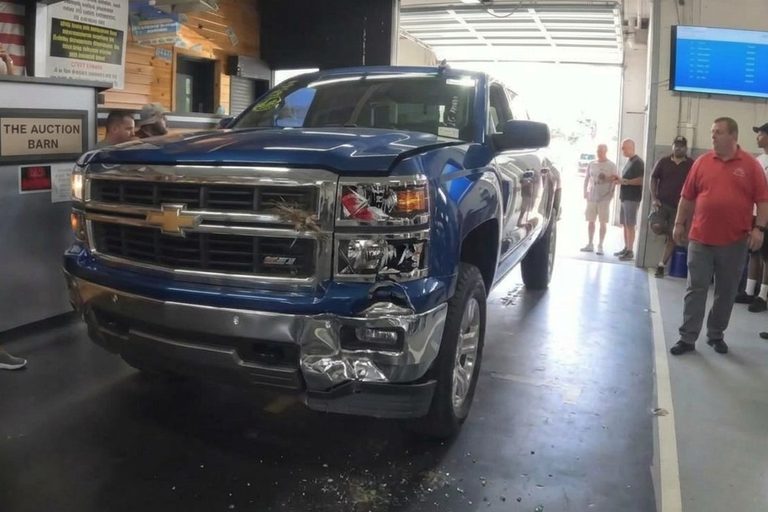
A quick yard walk-around can't show how a car runs, its frame, flood damage, or wiring. Here's what to check before you bid.

Copart charges a higher buyer fee when you pay with an unsecured method. On a $3,000 bid it's $175 more; on a $10,000 bid, $390. Here's why, and how to plan for it.
Same car. Same bid. Two different buyer fees. The only difference is how you pay.
Copart has two fee schedules: one for secured payment (wire transfer, cash, cashier's check and similar) and a higher one for unsecured payment (like credit cards). The gap grows with the bid.
From a September 2026 copy of the fee table published by SAKAEM Logistics:
Check Copart's own fee page for your account type before bidding. Schedules change.
Card payments cost the auction a processing fee, and they can be disputed or reversed after the car is gone. A wire can't. The higher fee covers that risk.
If you can't get a wire done in time and the alternative is a late fee or a relist charge, the card can be the cheaper mistake. But plan so it's not your normal way of paying.
Photo by JESHOOTS-com on Pixabay.
A quick yard walk-around can't show how a car runs, its frame, flood damage, or wiring. Here's what to check before you bid.
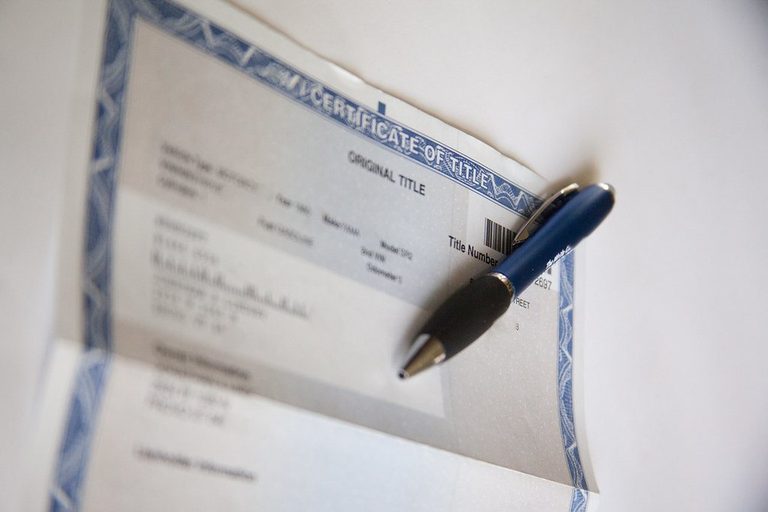
Copart lost your title and the DMV rejected your bill of sale? Here's what to ask for, what to get in writing, and the backup routes.
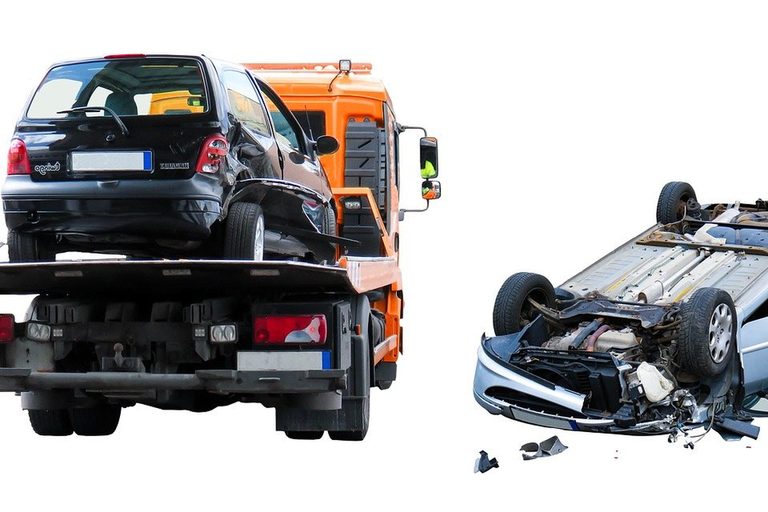
A Copart 'Front End' label doesn't say what hit the vehicle. Get the photo clues, the hidden deer-hit damage, and how to size the repair before you bid.