Auction Buying
What a Quick Walk-Around at the Auction Yard Can't Tell You
A quick yard walk-around can't show how a car runs, its frame, flood damage, or wiring. Here's what to check before you bid.
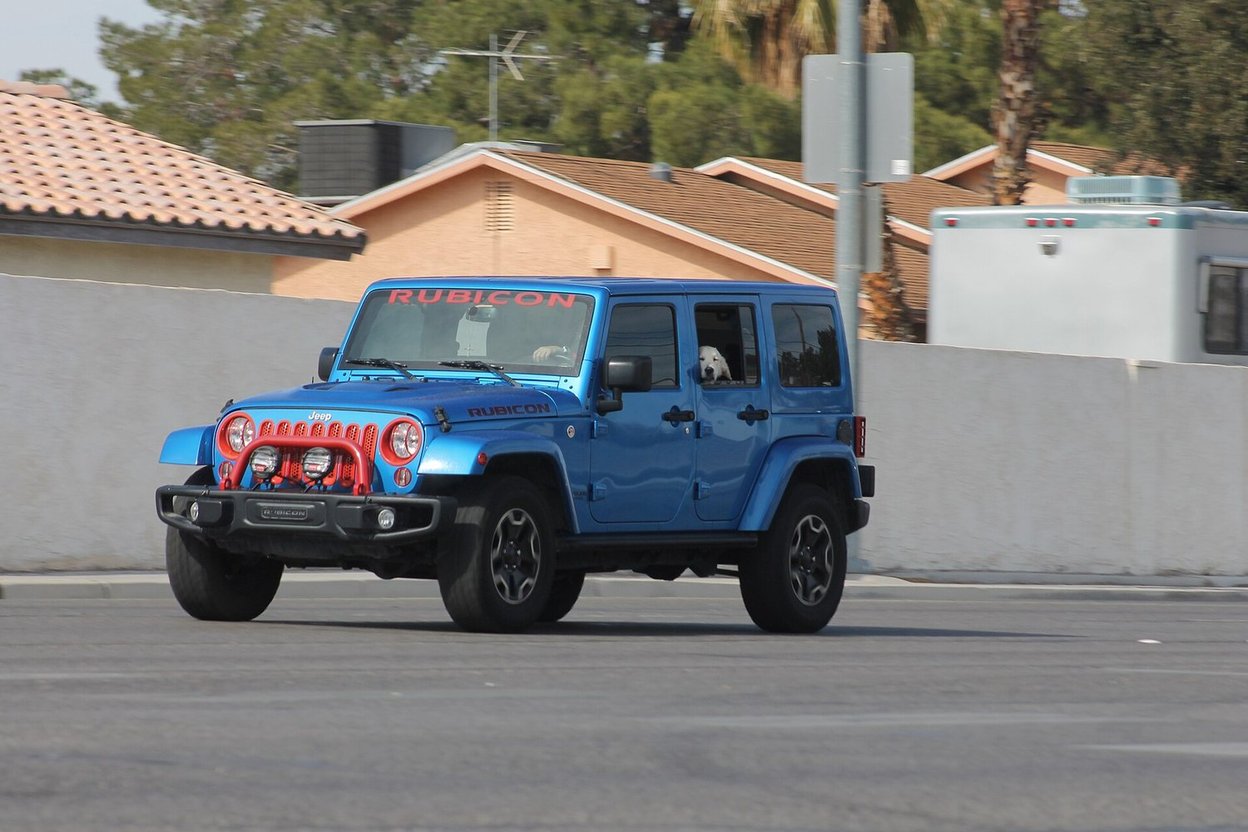
JK Wranglers hold their value, but they come with death wobble, early 3.8 oil burning, TIPM electrical gremlins, leaky tops and off-road abuse. What to check before you bid.
The JK Wrangler (2007–2018) is one of the easiest vehicles to resell: Jeep people love them, parts are everywhere, and the aftermarket is endless. That's also why so many end up at auction after accidents, rollovers and hard off-road lives. Here's what to check.
The famous one. Death wobble is a violent shaking of the front end, usually at highway speed after hitting a bump.
The early 3.8L V6 is known for burning oil and being underpowered.
The 3.6L that replaced it is a big improvement, but some early ones (especially 2012) had cylinder head problems, and oil cooler leaks are common over time.
The Totally Integrated Power Module controls a lot of the electrical system. Failures can cause odd problems: fuel pump not running, horn or wipers acting up, no-starts.
Hardtops and soft tops leak. Freedom panels, door seals and the windshield frame let water in. Check carpets for water damage, and don't confuse leaky-top water with flood damage. See flood cars at auction.
Wranglers roll more often than most vehicles. Check the roll bar, windshield frame, body tub and frame. A frame-damaged JK is usually a parts Jeep.
JK frames are generally better than older Jeeps, but check salt-belt Jeeps carefully, especially at the rear control arm mounts.
Know what the specific trim (Sport, Sahara, Rubicon; 2-door vs. Unlimited) is worth fixed, then subtract damage, front-end parts, any engine issues, fees and transport. Rubicons with clean frames sell fast.
See how to judge an auction vehicle you can't drive and pricing a salvage flip.
Photo: Blue and Red Jeep Wrangler Rubicon JK on Jones Boulevard (2).jpg) by Noah Wulf, CC BY-SA 3.0.
A quick yard walk-around can't show how a car runs, its frame, flood damage, or wiring. Here's what to check before you bid.
Copart lost your title and the DMV rejected your bill of sale? Here's what to ask for, what to get in writing, and the backup routes.
A Copart 'Front End' label doesn't say what hit the vehicle. Get the photo clues, the hidden deer-hit damage, and how to size the repair before you bid.