Auction Buying
What a Quick Walk-Around at the Auction Yard Can't Tell You
A quick yard walk-around can't show how a car runs, its frame, flood damage, or wiring. Here's what to check before you bid.
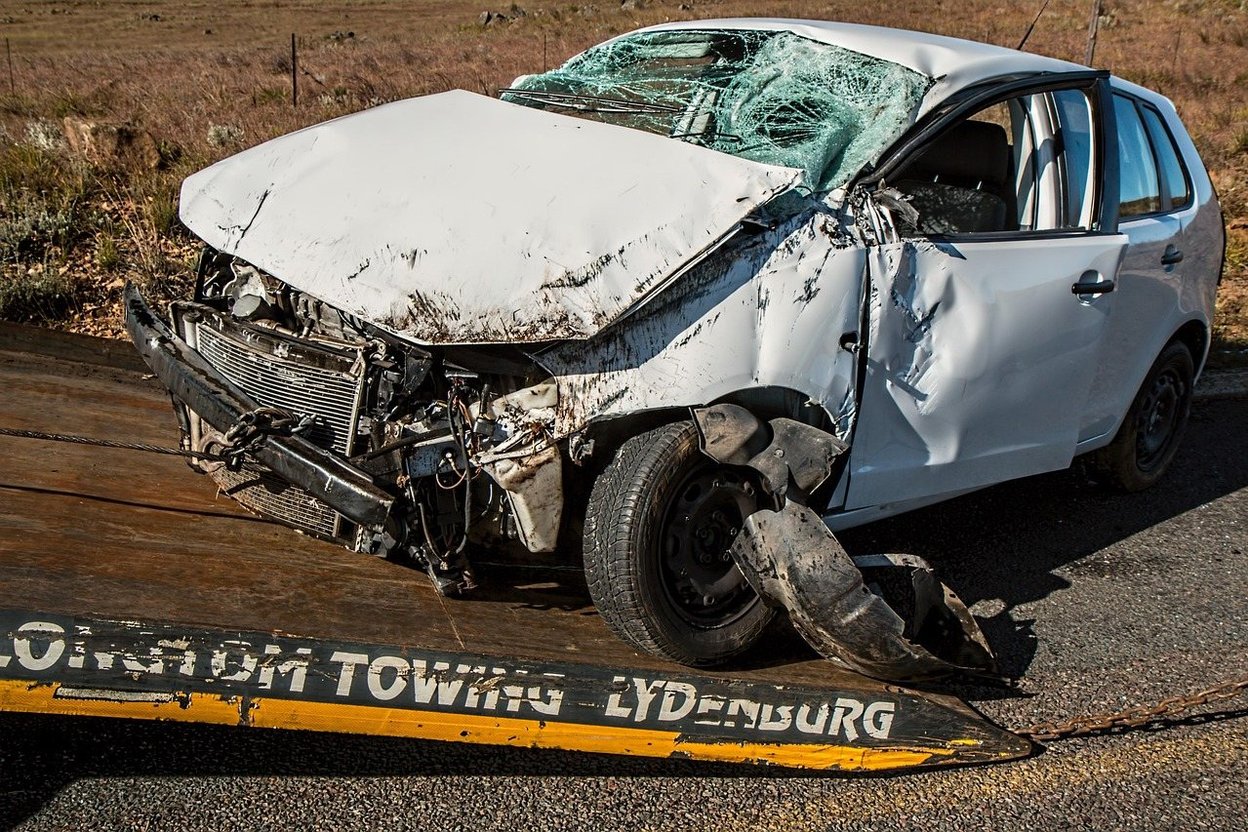
You checked the history and it was clean. Weeks later, the total loss shows up. Why reports lag, how that bites flippers and buyers, and how to protect yourself either way.
A buyer checks the history report. Clean. They buy the car. A month later, the report shows a total loss and a salvage auction sale.
It happens more than you'd think, and it can catch both sides.
Vehicle history reports pull data from many places: state title offices, insurers, auctions, repair shops, police reports. Each reports on its own schedule.
So a "clean" report on a recent wreck may just mean the paperwork hasn't caught up.
You buy a car at auction, fix it, and sell it. A few weeks later, the buyer's report updates and shows the total loss. If you didn't tell them, they feel lied to, and some will try to undo the sale. Even when you did tell them, they may be surprised when they see it.
Fix: disclose up front, in writing. Give the buyer the auction photos and the repair receipts. See run the VIN.
You buy a car that looks clean, then find out it was totaled recently. The title may or may not be branded yet.
Protect yourself:
Even with full disclosure, a rebuilt car sells for less than the same car with a clean title. Plan for it when you price the flip. See salvage vs. rebuilt titles and pricing a salvage flip.
NMVTIS: vehicle history for consumers · r/askcarsales: buying from Copart as a regular person
Photo by stevepb on Pixabay.
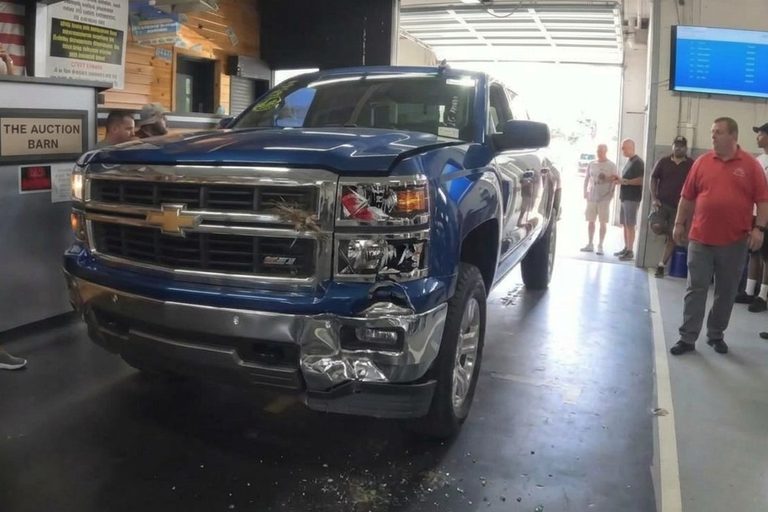
A quick yard walk-around can't show how a car runs, its frame, flood damage, or wiring. Here's what to check before you bid.
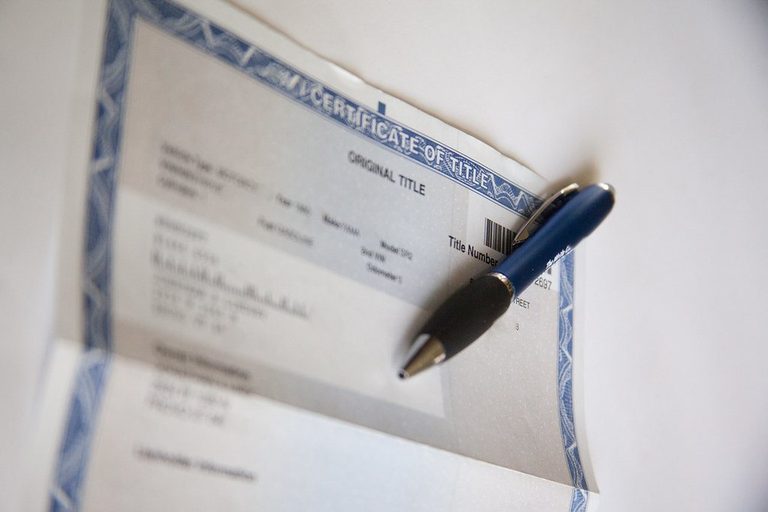
Copart lost your title and the DMV rejected your bill of sale? Here's what to ask for, what to get in writing, and the backup routes.
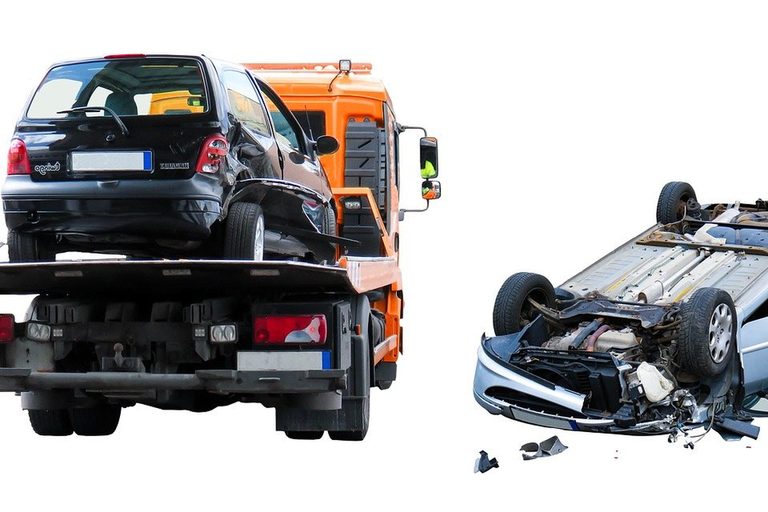
A Copart 'Front End' label doesn't say what hit the vehicle. Get the photo clues, the hidden deer-hit damage, and how to size the repair before you bid.