Auto Rehab
Hail Truck vs. Wrecked Truck: Which One Is the Flip?
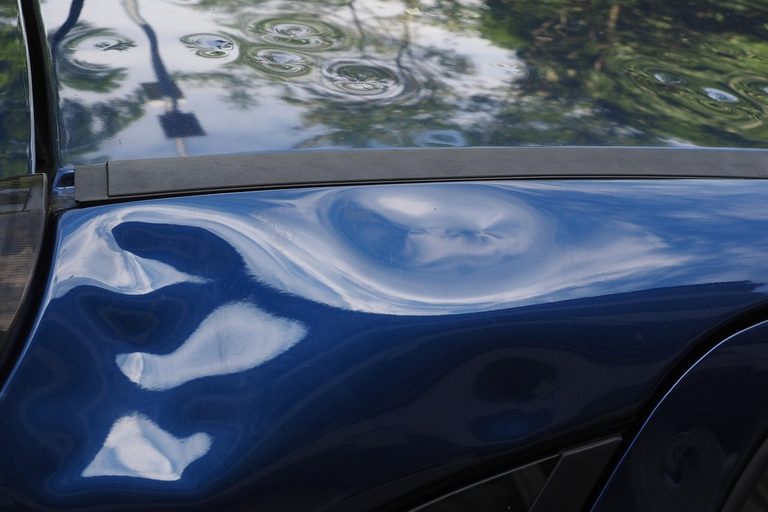
Hail-damaged trucks and collision trucks both end up at salvage auctions. What each kind of damage costs to fix, what you can't see in the photos, and which tends to be the…
Your project car sits until spring: how to store it right, move paint and body work indoors, and do bench work that doesn't need the car.
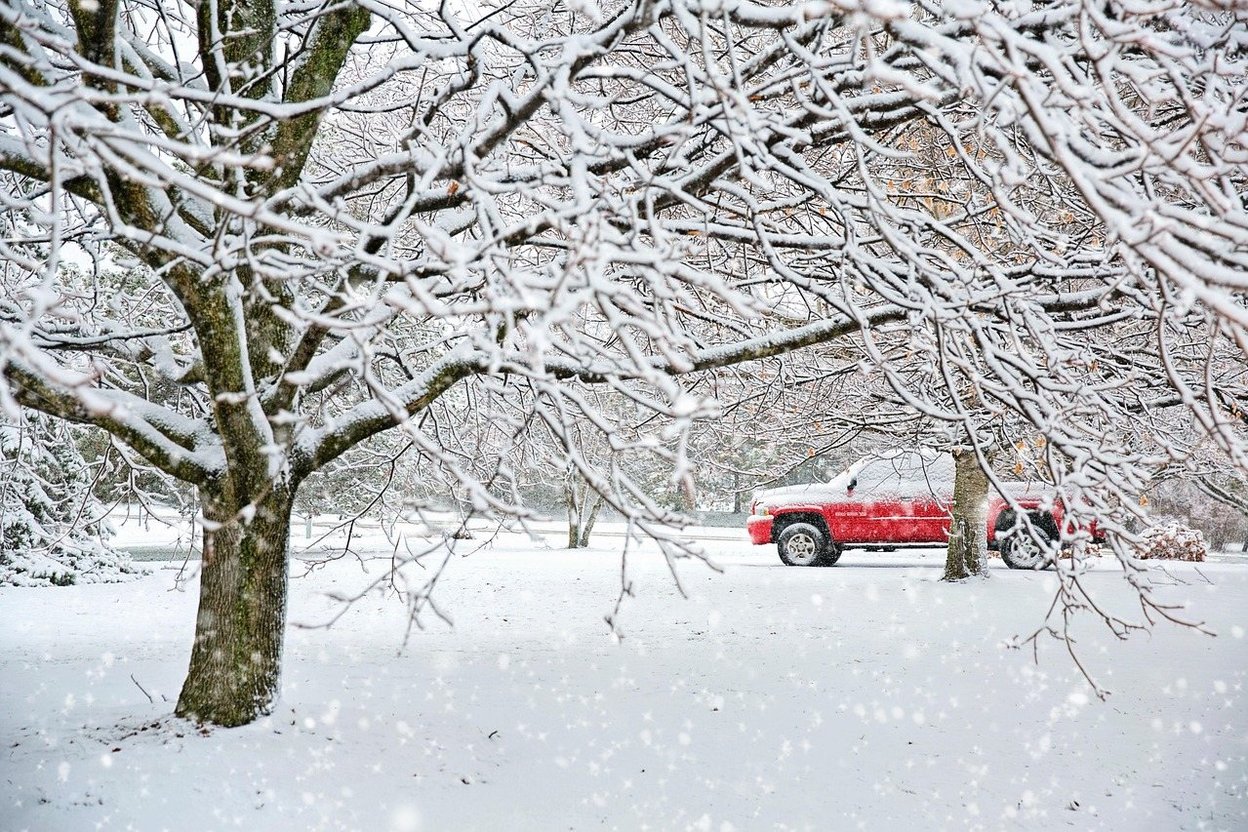
It's October and the car is sitting in the driveway. The fender's still primer gray and the replacement seat is in its box in the hallway. You know that in a few weeks you'll be standing out there with numb fingers and a socket you can't feel. If you have no heated garage, you have four real choices: store it right and wait, rent warm space, work on the parts on a bench, or put the cold-sensitive jobs off until spring. Here's how to pick one and keep the car from getting worse while it sits.
Which choice fits depends on what's left on the car.
So here are the four options:
Most people end up mixing these. The car sits under a good cover, the parts come inside, and the paint waits.
Wrenching outside in winter is a comfort problem more than a technical one. If you can stand it, a decent jacket and a pair of mechanic's gloves will get a lot of mechanical work done.
Paint is different. PPG, one of the big automotive paint makers, says urethane clearcoat cure "can even stop when temperatures drop below 60°F in your shop." If you spray it anyway, you can end up with a finish that has less durability, less gloss and is harder to repair later. The paint looks done but isn't, and you won't find out until it fails.
Warm air isn't enough. PPG says to let a cold car warm up until the metal itself is above 60°F, and to bring unheated paint products inside to warm up before you mix them. A car that sat outside all night and gets rolled into a heated garage still has a cold panel for a while, and that panel is what the paint sits on.
Body filler has its own minimum, and it's printed on the can. Some cans list 45°F. Read the label on yours and go by that, not by what somebody said worked for them. In a lot of the country, November afternoons don't reach either number. That's why body and paint jobs are the ones to move indoors or save for spring.
If the car is going to sit for the winter, a couple of hours of prep now saves you a dead battery, flat-spotted tires and a mouse nest in the air box come spring.
One more thing: if the car isn't registered or doesn't run, check your city rules and any HOA rules before you leave it on the driveway all winter. Some places restrict it.
If the job can't wait, rent the heat.
DIY bays are the closest thing to a heated garage you don't own. Blog write-ups put civilian rates at roughly $25 to $60 an hour, with day rates around $150 to $200 in some markets. Those are rough numbers and they vary a lot by region, so call the shops near you. If you're military or otherwise eligible, check your base's auto skills center. The Army's program at Redstone lists a maintenance bay at $8 an hour and a lift at $12 an hour.
The way to make a bay pay off is to show up ready. Have the parts on hand, the job planned and the tools packed. An hour spent figuring out which bolt to start on costs the same as an hour spent working.
Winter storage is a different deal. Read the listing carefully. One Massachusetts listing on Neighbor.com offered a flat $1,250 from mid-November to April 1, with the condition "No working in the space." That's a common catch. You pay to keep the car warm and dry, but you can't touch it. That's fine if all you need is storage. It's no good if you were planning to finish the bodywork there.
Heating your own garage is worth pricing out if you have an unheated one. On Garage Journal, one owner reported spending $35 to $50 a month to heat a small garage, and another said a larger electric-heated shop held at 40°F cost about $150 to $200 a month. Those are two different people with different setups, so treat them as a rough range, not a quote.
A lot of a project isn't in the car at all. Hagerty points out that plenty of winter project work can be done on a kitchen table with hand tools. For the rest, they suggest a waist-high bench about two feet deep, and storing spare parts up in the rafters to keep the floor clear.
Here's what fits on a bench:
That last item does more than you'd think. When the first 60-degree weekend comes, you want to spend it painting, not looking for the right bolt.
This part is just my opinion.
If you can't work on a car between November and April, think hard before you buy a project at auction in the fall. The car will cost you storage, insurance and time before you get anything out of it, and buying cheap only works if you fix it and drive it or sell it. The math I go by is auction price at about a third of market, and about half the price of a clean one once it's fixed. That math gets worse every month a car sits under a cover waiting for warm weather.
If you buy now, buy something you can drive or finish fast: light damage, mechanical fixes, parts you can swap in a driveway. Save the hail-damaged or primer-gray body project for late winter, so it shows up right when you can paint it.
Photo by JillWellington on Pixabay.
Hail-damaged trucks and collision trucks both end up at salvage auctions. What each kind of damage costs to fix, what you can't see in the photos, and which tends to be the…
Sometimes a wreck is worth more in pieces. How to price an auction car as a parts donor, what actually sells, and the costs that turn a parts car into a loss.
A salvage-title car usually can't be registered or driven until it passes inspection, and that limits what insurance you can get. What to cover while it sits, and what changes once it's…