Auction Buying
How Do You Inspect a Snow-Covered Auction Car You Can't Clear Off?
Snow hides most of an auction car's damage. Here's what you can still check at the yard, what to skip, and when to walk away.
Find out whether a December auction purchase counts toward your state's sales limit this year or next, and how calendar and rolling rules differ.
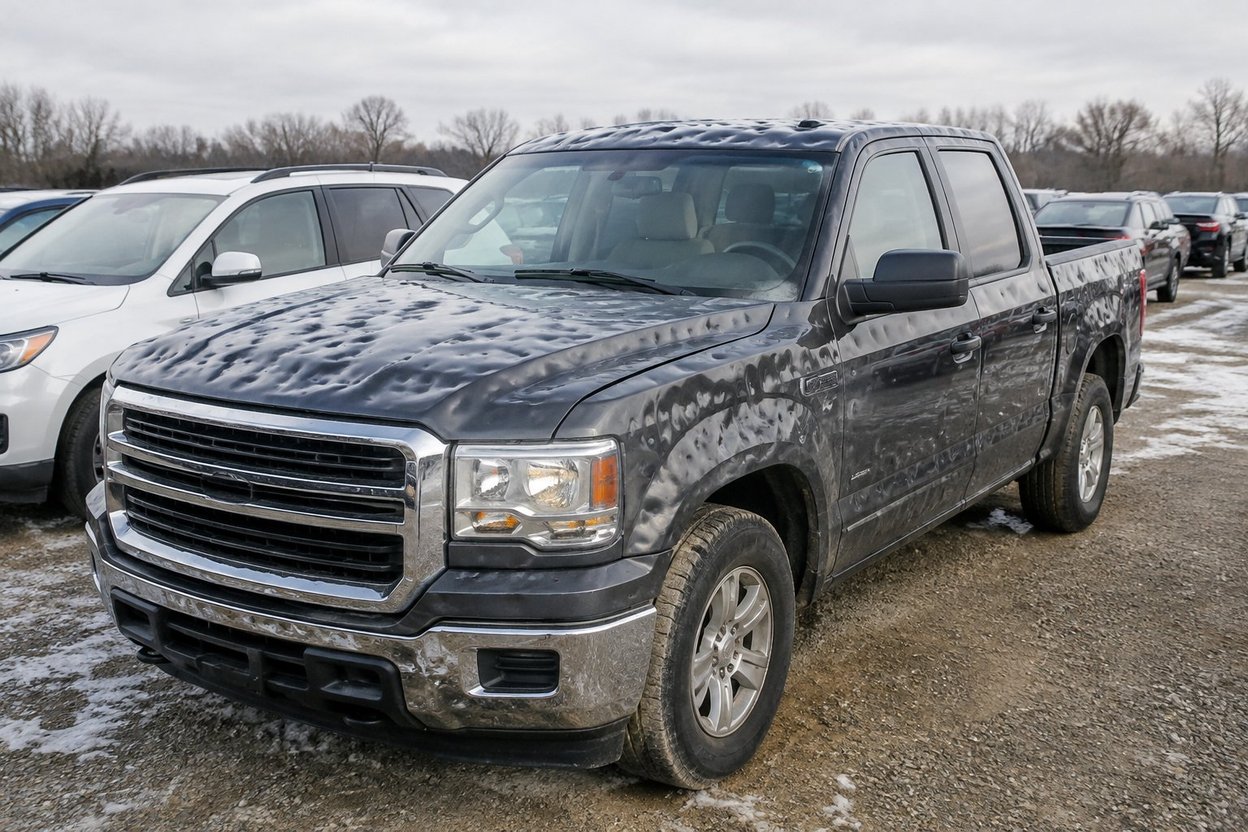
The year's winding down. Halloween candy is half gone, Thanksgiving is a month out, and you're on the couch scrolling Copart, looking at a hail-dented truck that would be a nice winter project. You've already sold a couple this year, so you start wondering: if you buy it in December and sell it in spring, does it count against this year or next year? In most states it counts when you sell it, not when you buy it. Many states don't run on a calendar year at all, though, and a few count purchases too.
Most state limits on private vehicle sales count the vehicles you sell. Those limits are generally three to five a year before you need to register as a dealer. A truck you buy in December usually doesn't count toward anything until it leaves your driveway with a new owner.
There are two catches.
First, intent matters. Buying a car with the plan to resell it can be enough to make you look like you're in the business, even if you're under the number. For a guy buying wrecked cars at auction to fix and flip, that's the gray zone you're working in.
Second, "next year" may be the wrong way to think about it. Plenty of states count any 12-month period, not January through December. Some, Florida for one, count buying as well as selling. So the real question isn't which year a December purchase lands in. It's what your state counts, and over what stretch of time.
This difference changes everything, so here it is in detail.
Calendar year. The counter resets on January 1. Texas uses calendar-year language for its salvage dealer license. You need one if you buy or sell more than five salvage or nonrepairable vehicles in a calendar year. That rule counts buying as well as selling. So in Texas, a salvage truck you buy in December is part of this year's count, and the sale in January lands in next year's. How TxDMV counts one vehicle bought in one year and sold in the next is a question to ask them directly. Don't guess.
Rolling 12 months. No reset. Any 12 months in a row is a window. Florida works this way, Ohio does too according to its legislature's bill analysis, and so does the FTC's Used Car Rule. The FTC rule covers dealers who sell more than five used vehicles in a 12-month period. That's a federal rule about posting a Buyers Guide, not a state licensing cap, but it uses the same kind of window.
Here's a December example. Say you sold one car in May and one in September. You buy a truck in December and sell it in February.
January doesn't wipe the slate clean in a rolling state. Your older sales stay in the count until they're more than 12 months back.
Most limits are written around sales, but regulators look past the number and ask what you're actually doing.
Florida's law is a good example. A dealer is anyone "engaged in the business of buying, selling, or dealing in motor vehicles." The statute then presumes you're a dealer if you buy, sell, or deal in three or more motor vehicles in any 12-month period. Two things follow from that:
Florida does carve out people who aren't in the vehicle business and sell, in good faith, vehicles they "acquired for their own use." If a vehicle is titled in your name, you can advertise it for sale.
That carve-out is exactly where auction flipping gets uncomfortable. When you buy a car at auction to fix it up and sell it, you didn't acquire it for your own use. A string of auction buys followed by quick sales is the kind of evidence a regulator can point to. Some guides also say regulators look hard at sellers who advertise several cars at once or keep a row of cars they never drive.
I've bought wrecked trucks at auction for years, fixed what matters, driven one while I fixed the next, then sold it and started over. Driving the truck you own and selling it when the next one's ready is a very different look from four cars on the lawn with signs in the windshield.
These rules differ a lot from state to state, so look up your own. Here's how a few of them work.
Florida. Three or more vehicles bought, sold, or dealt in any 12-month period creates a presumption that you're a dealer. Rolling window, and buying counts.
Ohio. The Legislative Service Commission's analysis of House Bill 717 says a person may make up to five casual sales in a 12-month period without a dealer license. The bill would raise that to 15 for vehicles more than 12 years old. As far as the record shows, it hasn't passed, so treat five as the working number and confirm the current law with Ohio before you count on it.
Texas. The Transportation Code defines a dealer as someone who "regularly and actively buys, sells, or exchanges vehicles at an established and permanent location." For salvage, the line is clearer: you need a salvage dealer license if you buy or sell more than five salvage or nonrepairable vehicles in a calendar year. That matters for anyone buying salvage titles at auction. You'll see a "fewer than five titled in your own name" exemption mentioned online. Get that from TxDMV directly before you rely on it.
California. The statute doesn't set a number. You're a dealer if you're "engaged wholly or in part in the business of selling vehicles or buying or taking in trade vehicles for the purpose of resale." It's a business test. If someone tells you California allows five a year, ask them to show you where the law says so.
Most other states. The general guidance from industry groups and legal guides is three to five sales a year. That's a rough range. It isn't your state's rule.
This is where people mix two separate questions together.

Copart has a "No License Required" filter on its search results. Those are lots the general public can buy without a business or dealer license, under the law of the state where the vehicle sits. It's a good tool. It saves you from bidding on something you can't take home.
What it tells you is whether you can buy the vehicle. It says nothing about how many you can sell in a year where you live.
The auction's rules also change from state to state. Copart's Florida page says a buyer without a business license needs a broker to bid on clean- and salvage-title vehicles there. A broker gets you in the door, but that's all it does. The broker's license doesn't count for you when you resell the car.
So even when the auction lets you win a car, you're still not a legal reseller in your state. Those are two different sets of rules, and you have to follow both.
Do this before the December bidding, not after.
Buying at auction lets you skip the dealership, the hard sell and the finance office. It doesn't excuse you from your state's dealer laws.
Snow hides most of an auction car's damage. Here's what you can still check at the yard, what to skip, and when to walk away.
Mismatched tires on an auction AWD car can strain the drivetrain and cause uneven grip. Here's what to check and price before you bid.
Buying at auction in December to fix over winter? Learn when it pays, the cold-weather repair limits, and the title rules that set your timeline.