Auction Buying
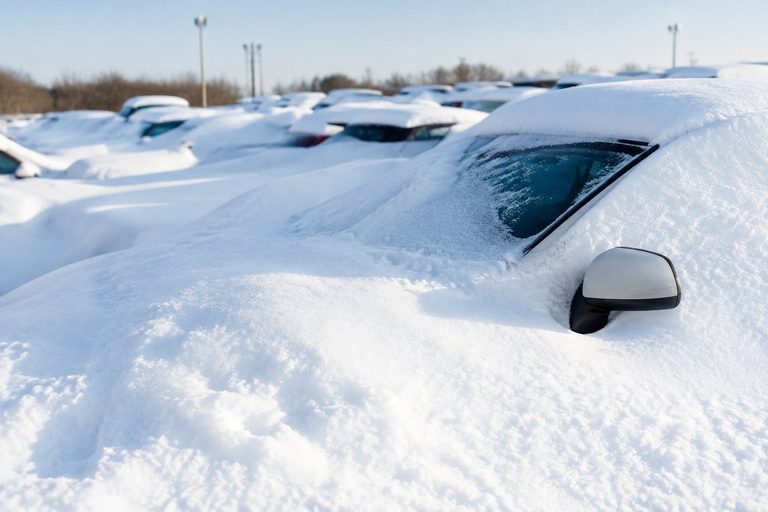
How Do You Inspect a Snow-Covered Auction Car You Can't Clear Off?
Snow hides most of an auction car's damage. Here's what you can still check at the yard, what to skip, and when to walk away.
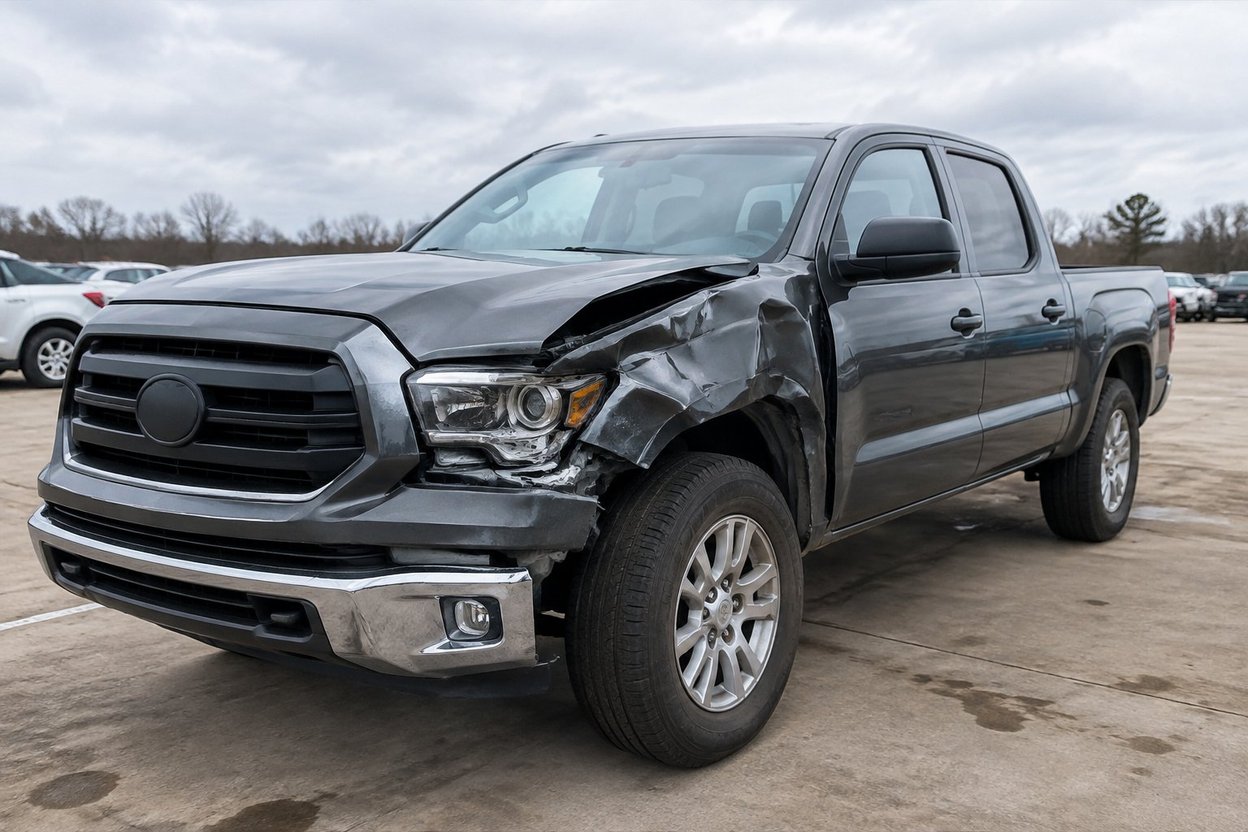
Buying at auction in December to fix over winter? Learn when it pays, the cold-weather repair limits, and the title rules that set your timeline.
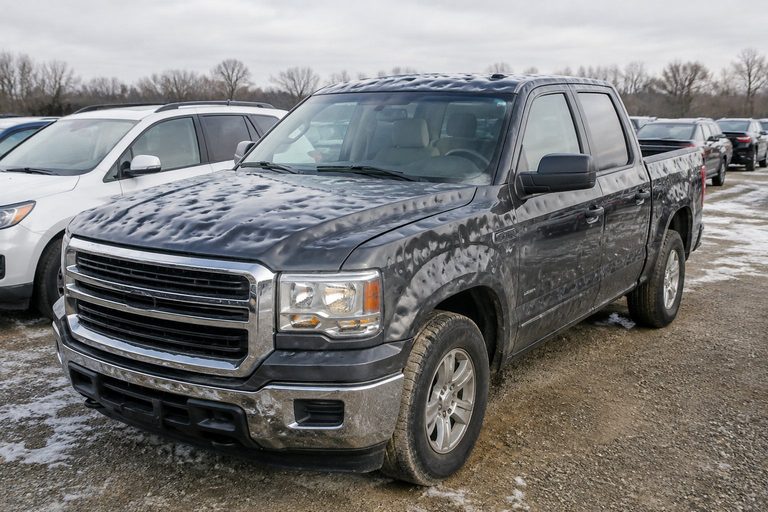
It's Thanksgiving weekend. You're on the couch with a plate of leftovers, scrolling Copart on your phone, and there's a truck with a crunched fender and a bid that looks almost too low. It's tempting to grab it now, work on it over the holidays and have it ready by spring. Can that work? Sometimes. A winter buy works if the car is cheap, you have a warm and safe place to work on it, you know your state's title rules, and you can finish before the spring market cools. Miss any one of those and winter costs you money.
People claim winter is a cheap time to buy at auction because fewer bidders show up during the holidays, and you'd be selling into the spring tax-refund bump. That's a real pattern on the selling side. On the buying side the proof is weaker than people make it sound. The claim that winter salvage prices are lowest comes mostly from UK salvage sites, and even those don't agree with each other. Don't assume December bids will be cheap. Watch the sold prices on the kind of vehicle you want for a few weeks before you bid.
So here's how I'd look at it. Winter doesn't hand you a cheap car. It gives you time. If you buy something with light damage at a price that already makes sense, the cold months are when you do the work, and spring is when you sell. My rough rule doesn't change with the season: auction price is about a third of market, and once it's fixed, the truck costs you about half of a clean one. If a December car doesn't fit that rule, winter won't save it.
It also helps to know what you're skipping. You're not haggling in a showroom while they hold your keys, and you're not sitting in the finance office finding surprise charges. You're doing what the dealer does with trade-ins, without paying his markup.
Here's what the UK sources say. Raw2k, a UK salvage outfit, says December prices drop because winter write-offs flood the market, that January is still the low point, and that "winter offers the lowest salvage prices for most vehicle types in most UK regions." Raw2k's own seasonal guide also calls July through September the peak season, says winter raises demand for 4x4s, and names convertibles as the clearest seasonal case. That's one company with UK numbers and mixed messages. It doesn't tell you anything about a Copart yard in Ohio or an IAA lot in Texas.
The US selling side is clearer. Wholesale used-vehicle values usually peak during tax-refund season, roughly March through April, when people have refund checks and go shopping. Cox Automotive said a strong 2026 refund season kept used demand and values high through the spring, and its Manheim index hit 211.9 in April 2026, up 1.8% from a year earlier.
The bump isn't guaranteed, though. In 2024, Cox noted, values stayed flat and below the year before, and wholesale values were down 13.1% from a year earlier going into tax season. So plan to sell into spring, but don't build your numbers on a price jump. A car that's finished, titled and listed by March or April has its best shot. A car still in pieces in May has missed it.
Winning the bid is just the start. Copart's member fees include a $79 gate fee at pickup and a $10 environmental fee per item. If you don't pay within 3 business days, they add a $50 late-payment fee. If the car still isn't paid in full within 8 calendar days, the relist fee is 10% of the price with a $600 minimum, which can wipe out the deal. Fees change, so check Copart's current member fee page before you bid.
Storage starts if the car isn't picked up by the third business day, counting auction day. The rate depends on the yard. One third-party directory shows a California yard starting at $5 on day 4 and rising to $30 a day from day 10, but those rates are from 2019, so treat them as an example, not a quote. Count business days carefully around Christmas and New Year's, and have your tow or transport lined up before you bid, not after.
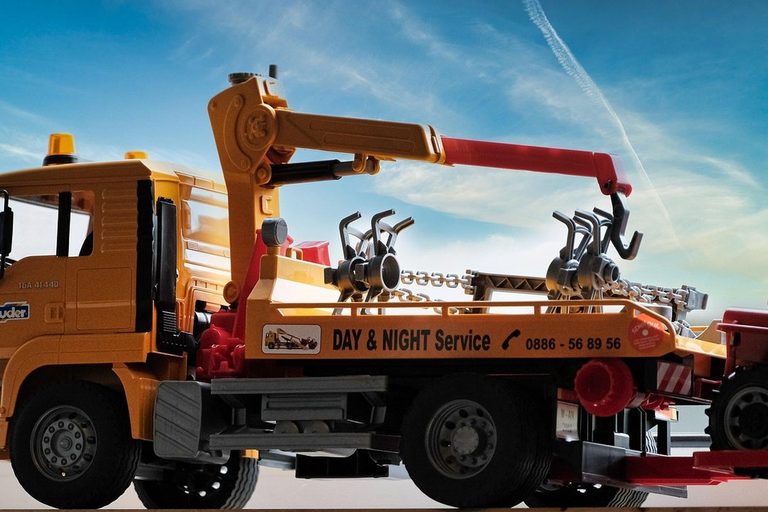
You can't drive the car off the lot. Pickup needs an appointment and a Gate Pass PIN, and the vehicle leaves on a trailer or a tow truck. Put that cost in your numbers.
Also check whether you're even allowed to bid. Who can buy depends on your state. According to CarProxy, a broker that sells this service, Illinois limits both clean and salvage titles to dealer or broker accounts. Texas lets individuals buy salvage but not clean titles, and Virginia requires individuals to use a broker. Check your own state's rules before you pick a car.
Cold is the part that catches people. Body filler, primer and paint all have temperature ranges. For example, 3M lists its General Purpose Body Filler 51002 for use between 54 and 95°F, with the best results between about 63 and 86°F. Some products handle cooler shops: 3M Dent Filling Compound 50 lists a minimum of 45°F, and 3M Platinum Plus and Dynatron Dyna-Plus also say to apply above 45°F.
Even in range, temperature changes how filler behaves. At 60°F most fillers will work, but they set up and cure differently than at 75°F, so plan on more time between steps. Check the data sheet for the exact product you're using, and remember the panel itself has to be warm too, not just the air. Cold-weather paint and clearcoat limits are the same story: go by what's printed on the can and the sheet.
Now the part that can kill you. Never run the car, a generator or a fuel-burning heater in a closed garage to warm it up. The CPSC says never run a portable generator in a garage, and that opening doors or windows won't stop carbon monoxide from building to deadly levels. The CDC lists garages among the indoor spaces where you should never use generators, grills or camp stoves. Cracking the door doesn't make it safe. If you use an electric heater, the CPSC says keep it at least 3 feet from anything flammable and plug it into a wall outlet, not a power strip. A body shop is full of solvent, rags and filler dust, so keep that space clear.
If you can't keep the shop warm and safe, you can't do the bodywork in winter. You'd just be storing a car.
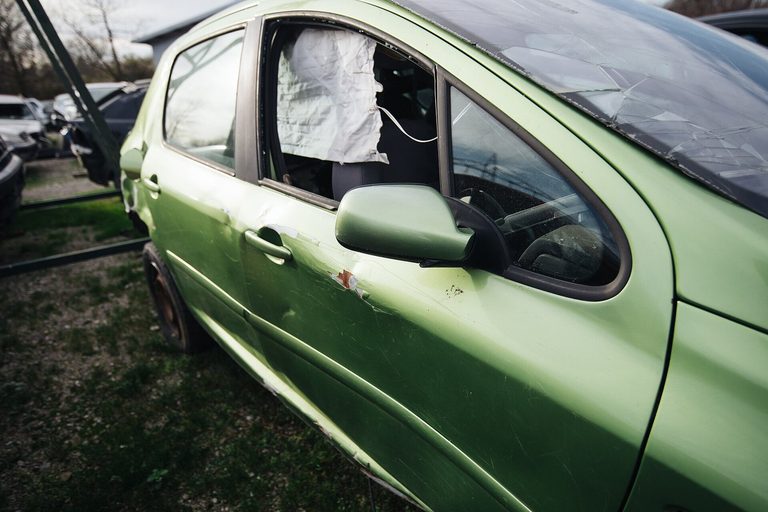
Even with a warm garage, the title can slow you down more than the cold does. A salvage title generally means the car can't be registered or driven until it's repaired, inspected and retitled "rebuilt." According to CarProxy, that's how it works in Texas. Confirm with the Texas DMV.
Two habits apply nearly everywhere. Photograph the car from every side before you touch it, and keep every parts receipt. Several states want both.
Georgia: Anyone buying a salvage vehicle to restore it must be a licensed rebuilder. That rules out a lot of regular buyers before they start. The inspection happens after repair but before paint. You need photos taken before repairs, plus receipts for all parts, with the donor VIN for any used parts. The fee is $18 with a private inspector and $118 with a state inspector, and the car has to be towed to a state inspection, not driven.
Mississippi: You need four color photos taken before any repairs. Part invoices must show the donor VIN and the seller's details. The inspection is $125, paid by certified check or money order. The car has to be fully restored, including paint, so a winter paint delay pushes your whole timeline back.
Iowa: The inspection costs $53 and is nonrefundable (confirm the current fee on the Iowa DOT page). You need bills of sale for all replaced parts and an online repair affidavit. The car must be fully repaired except for minor items like trim and paint. Inspections are by appointment, so book early.
Look at what that means for winter. In Georgia or Iowa you may be able to get inspected before final paint. In Mississippi, if it's too cold to paint, you can't get inspected. Every state is different, so pull up your own state's rebuilt-title page before you bid, not after the car is in your garage.
Do it if: - You have a heated, ventilated garage you can work in safely all winter. - The car is cheap and the damage is light: a fender, hail dimples, a seat, a windshield, a window switch, an O2 sensor to clear a code. Even better if it's a clean title, or a salvage title in a state where you know the rebuild process. - You can line up transport, payment and pickup inside the free window. - You have a spring selling target and a calendar that gets you inspected and titled by March or April.
Skip it if: - You'd be working outside or in an unheated shed. Filler won't cure, paint won't lay down, and the car will just sit. - The damage is structural. Hidden frame damage is where people lose money in any season, and winter makes it worse because it takes longer to find and fix. - You can't afford to have the money tied up for months, or you need it back before spring. - Your state requires a dealer or rebuilder license you don't have.
I'd never buy new, and I'd take a winter project over a dealership any day, but only with the garage, the paperwork and the deadline lined up first. Without all three, wait for spring and buy then.
Snow hides most of an auction car's damage. Here's what you can still check at the yard, what to skip, and when to walk away.
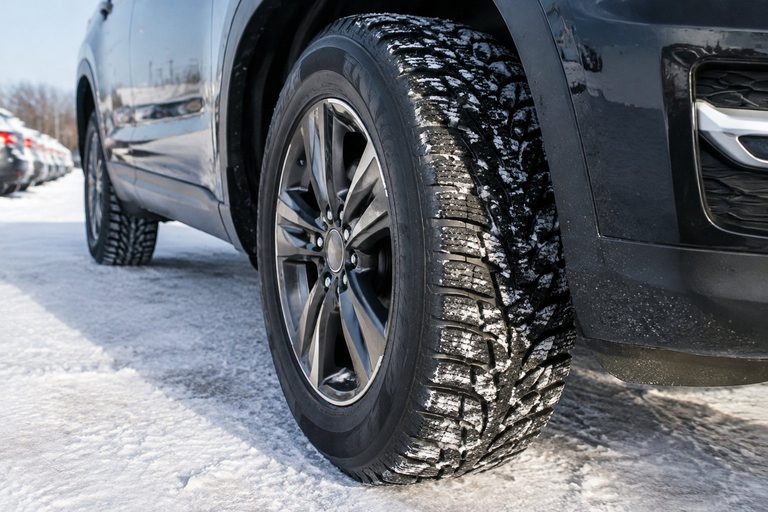
Mismatched tires on an auction AWD car can strain the drivetrain and cause uneven grip. Here's what to check and price before you bid.
Find out whether a December auction purchase counts toward your state's sales limit this year or next, and how calendar and rolling rules differ.