Auction Buying
Mismatched Winter Tires on an Auction AWD Car Can Cost You a Drivetrain
Mismatched tires on an auction AWD car can strain the drivetrain and cause uneven grip. Here's what to check and price before you bid.
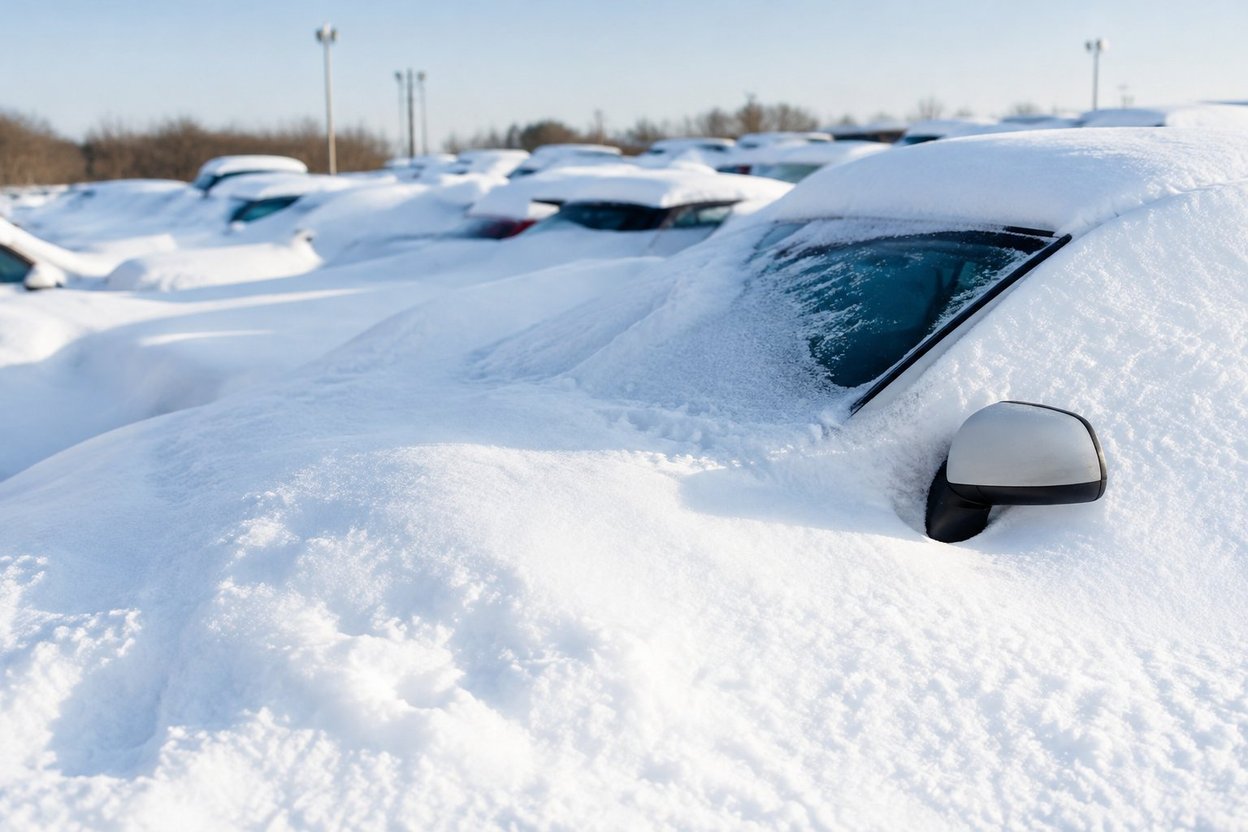
Snow hides most of an auction car's damage. Here's what you can still check at the yard, what to skip, and when to walk away.
You're scrolling auction listings after supper and find a truck at a price that makes you sit up. Then you open the photos and it's a white lump with a side mirror and half a windshield showing. Can you go clear it off and look? Usually not. You'll get whatever look the yard allows, and anything still under the snow is your risk. So treat it as damaged until you see otherwise. You have three ways to handle it: see it on a clear day, pay an inspector, or bid as if the worst is under there.
At Copart and IAA you're buying the car, and you're also buying whatever the snow is covering. Auction cars are sold as-is. Even on a dry July afternoon the preview rules are tight: you look, you don't touch much, and you don't drive. At Copart you can't bring tools or a code reader, and staff start the car for you. Add a foot of snow and a "visual inspection" might mean you looked at the roof.
Nobody refunds you because the snow hid a crushed quarter panel. As far as the seller is concerned, you had your chance to look.
So don't bid like you saw the whole car. You have three real options:
It's late October now, and the northern yards are about to fill up with listings like this. Here's how I'd handle one.
Copart's terms say vehicles are sold "AS-IS WHERE-IS, WITHOUT ANY WARRANTY, EXPRESS OR IMPLIED." Copart also doesn't promise a car will start or move under its own power, or that it still will when you pick it up. That holds in any season.
Copart recommends you inspect in person before you bid. Preview is on weekdays during business hours, but days and hours vary by yard, so check the location page before you drive over. Make an appointment in the Copart Member App for the specific car you want to see. Members preview at no extra cost. Nonmembers pay a visitor fee set by the location, so call ahead.
Once you're there, the rules go roughly like this:
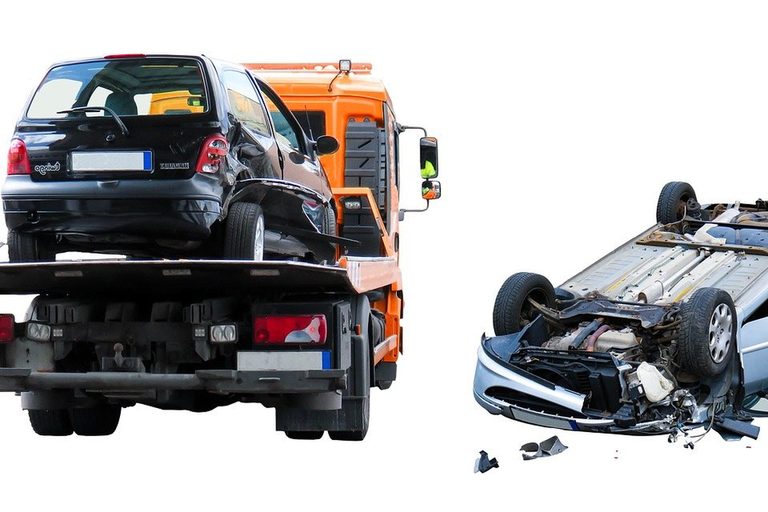
Then there are the photos. Copart supplies about 10 images per vehicle, and you're still responsible for checking the car before you bid. Condition reports add extra photos and video, but some cars don't have them, including cars in a sublot or sold off site. One long-time buyer on a car forum put it bluntly: condition reports can be miles from reality and almost never say anything about mechanical condition. IAA has a 360-degree walk-around view captured at check-in. That helps, but it only shows what the car looked like that day.
None of this was written with snow in mind. Copart and IAA don't publish a policy on snow-covered cars, so don't assume anyone will sweep it off for you or reshoot the photos.
On a normal preview you're looking for the difference between cosmetic and structural damage. Snow takes away most of what you'd use to tell them apart:
Cold weather hides problems even after the snow is gone. Fluids can freeze, batteries struggle, and a car can start fine at preview and still have leaks you won't find until it's warm and running in your driveway. A clean start in January doesn't prove much.
Insurers total a car using retail parts and shop labor. Your math is different, and that's where the deal comes from. But it only works if you know what you're fixing. Under snow, you don't.
Call the yard before you drive out. Ask whether that lot can be viewed right now, whether it's been moved, and whether staff will brush it off or allow you to. Yards differ, and the person at the counter knows what that row looks like today. Don't grab a brush and start sweeping on your own. You're a guest in a working yard with tight rules, and you don't want to be the one who scratched somebody's hood.
Once you're at the car, check what you can see:
Take your own photos of everything, including the snow. Then compare them with the listing photos. If what you saw doesn't match what you were hoping for, that's your answer.
Most people can't drive four hours to a yard to look at one buried truck. You still have options.
Hire a third-party inspector. Copart says certified third-party inspections are available if you have specific questions about a car. Some services go to the yard, do a more thorough (but still limited) check, and send you a report. Tell them up front that the car is snowed in and ask what they'll actually be able to see. A report that says "vehicle covered in snow" isn't worth paying for.
Dig up older photos. Search the VIN or lot history for earlier listings. If the car ran through before the snow, those photos may show more than this week's. It also works the other way. One Miata buyer described a car that came back a week or two later with the rear bumper cover put back on, hiding most of the damage the first photos showed. Compare every listing you can find.
Wait it out. Cars that don't sell, or don't hit the seller's number, often come back. A thaw, a move inside, or a fresh set of photos can change everything.
Bid like the worst case is true. Price in every panel, glass and tire you couldn't see as if it's bad. My rough rule is that auction price is about a third of market and that, once it's fixed, the truck costs about half what a clean one does. Snow eats into that margin quickly. If the car only works at a price where everything under the snow is clean, pass on it.
Snow slows down pickup, and those delays can add storage charges that hit you, not the yard. Line up your tow or hauler before you bid, not after, and ask how they handle winter roads.
When the car arrives, check it and photograph it before you sign for it. Once you've accepted it, it's hard to prove that new damage happened in transit and wasn't already under the snow.
Winter has one real upside: there's often less bidding competition. Fewer people want to stand in a frozen yard or bid blind, which is why snow-covered cars sometimes go cheap. That's fine, as long as your bid already covers whatever you couldn't see.
Mismatched tires on an auction AWD car can strain the drivetrain and cause uneven grip. Here's what to check and price before you bid.
Find out whether a December auction purchase counts toward your state's sales limit this year or next, and how calendar and rolling rules differ.
Buying at auction in December to fix over winter? Learn when it pays, the cold-weather repair limits, and the title rules that set your timeline.