Auction Buying
Late October at Copart: Softer Prices or Just a Quieter Screen?
Learn whether late October means cheaper salvage bids, and how to calculate a max bid that covers all the fees.
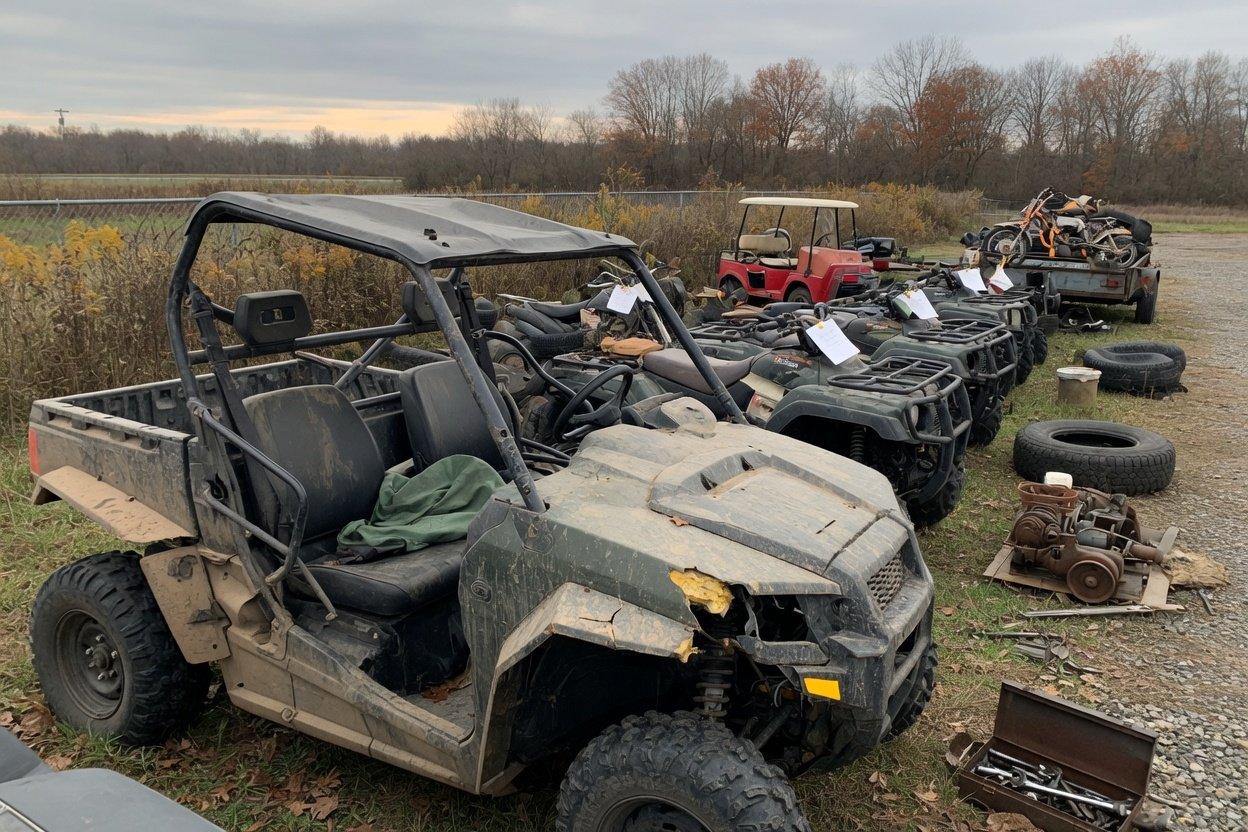
ATVs and side-by-sides come through salvage auctions all the time: rollovers, theft recoveries, and machines that went swimming. What breaks, what to check, and the paperwork that trips people up.
ATVs and UTVs (side-by-sides) are everywhere at Copart and IAA, especially in fall and after hunting season. Buyers pay good money for them fixed, and parts are easy to find for the big brands. But these machines live a hard life, and the damage isn't always obvious in auction photos.
Most UTVs and many ATVs use a CVT (a belt-driven transmission). Belts wear and burn, and the clutches wear too. A machine that was run hard or got water in the belt housing may need both.
If a machine went swimming:
Look at the air box and intake in the photos if you can. Mud and water lines on the plastics are a clue.
Many UTVs show engine hours. A machine with very high hours has worn parts everywhere.
Plastics, windshields, roofs, winches and light bars all add up. Theft recoveries often come stripped.
Off-road vehicles have had their share of recalls, including fire-related recalls on some popular side-by-side models. Off-road recalls are handled by the U.S. Consumer Product Safety Commission (CPSC) and the manufacturer, not NHTSA. Check the manufacturer's recall lookup with the VIN, and search CPSC's recall site.
This is where ATVs and UTVs trip people up:
Find what the machine sells for fixed in your area; ATV and UTV prices vary a lot by region and season. Spring and fall are strong selling seasons. Then subtract parts (Polaris, Can-Am, Honda, Yamaha and Kawasaki parts are easy to find used), fees and transport. See pricing a salvage flip and getting a salvage vehicle home.
A rolled side-by-side with a bent cage and cracked plastic can be a great flip. One that sat underwater is usually not, unless you're parting it out.
Learn whether late October means cheaper salvage bids, and how to calculate a max bid that covers all the fees.
Copart charges a higher buyer fee when you pay with an unsecured method. On a $3,000 bid it's $175 more; on a $10,000 bid, $390. Here's why, and how to plan for…
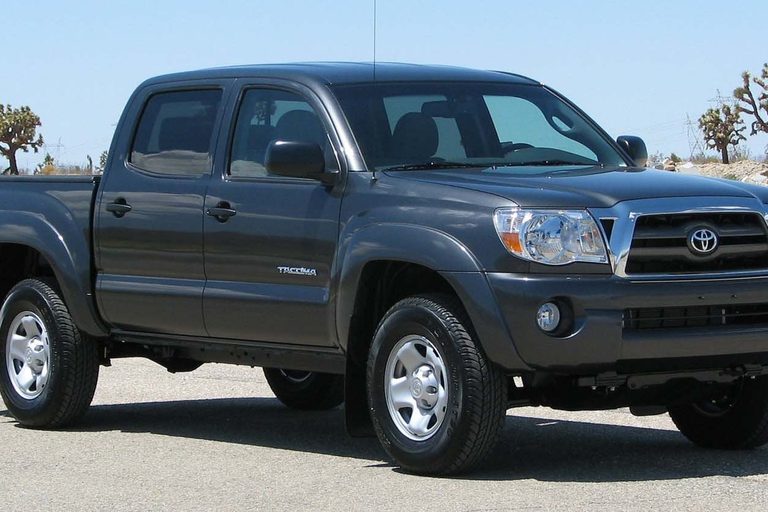
Second-generation Tacomas hold their value like few trucks do, even salvage ones. Frame rust, the leaf spring recall, and what to check before you bid on one.