Trailers can be the easiest money at an auction, or the hardest to register. VIN plates, homemade trailers, titles by weight, and the checks to make before you bid.
Read
3 min
Updated
October 3, 2026
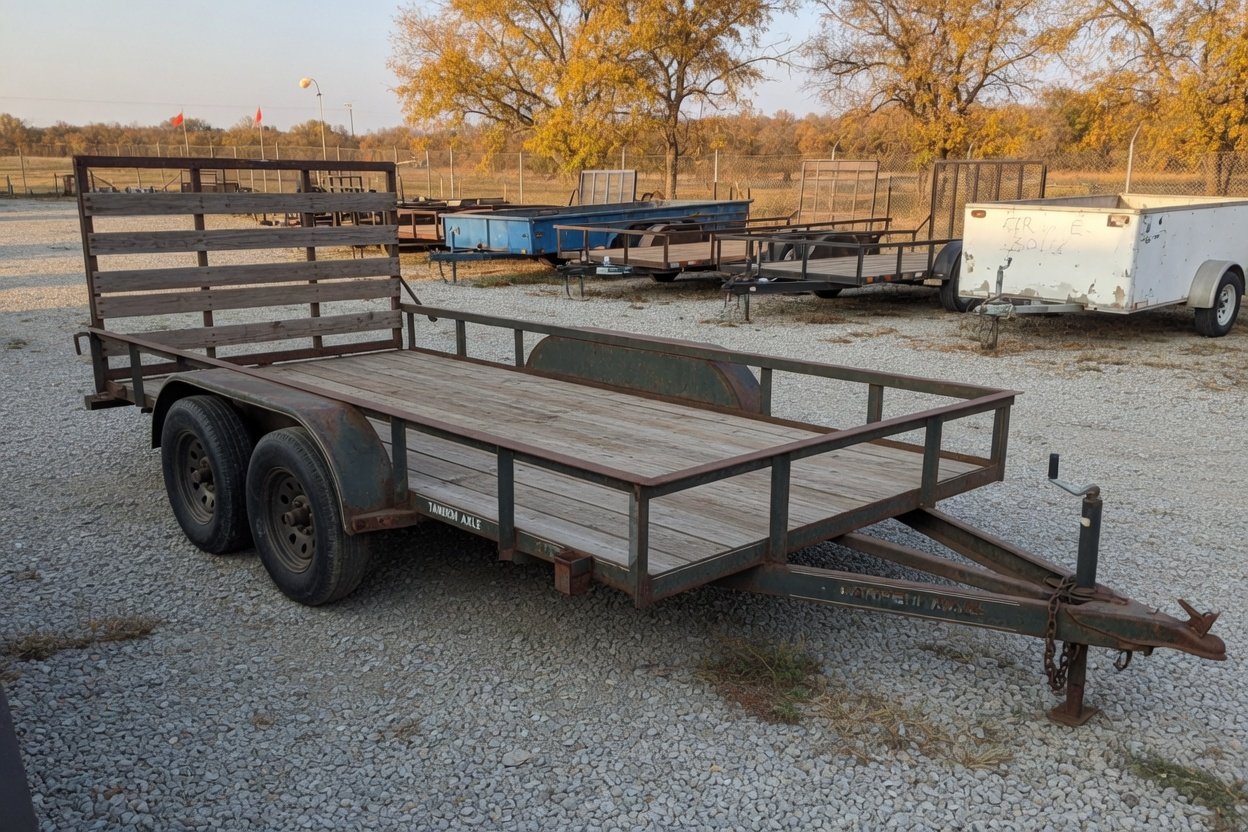
Trailers are one of the simplest things you can buy at auction. No engine, no transmission, no airbags. Utility trailers, car haulers, enclosed trailers and boat trailers show up all the time, and fixed up, they sell fast. But the paperwork can be a headache, and a trailer you can't register is worth a lot less.
01The VIN
Every manufactured trailer has a VIN, usually on a plate or sticker on the tongue or the front of the frame. Check that:
The VIN plate is there and readable.
It matches the title or paperwork.
It isn't loose, painted over, or obviously replaced.
A trailer with a missing VIN plate is a red flag. It may be stolen, or it may just have lost its sticker over the years. Either way, it's going to take work to register.
02Titles vary by state
Trailer titles are one of the most inconsistent things in vehicle paperwork:
Some states title all trailers.
Some only title trailers over a certain weight. Lighter ones are registered without a title, or need no paperwork at all.
Some don't title trailers at all.
That means a trailer from a no-title state might come with just a bill of sale and an old registration. When you take it to a state that requires a title, you may need extra steps to get one.
Check your state's rules before you bid.
03Homemade trailers
Homemade trailers usually don't have a manufacturer's VIN. To register one, many states require:
An inspection
Receipts for materials (or a bill of sale)
A state-assigned VIN
That's doable, but it takes time. Factor it into what you'll pay.
04What to check on the trailer
Frame and tongue
Rust, especially on the tongue, crossmembers and where the axle mounts.
Cracked welds.
A bent tongue from jackknifing or hitting something.
Axles, springs and bearings
Bearings are the most common failure. Wheels that wobble or grinding sounds mean bad bearings. Plan on repacking or replacing them on any auction trailer.
Springs: broken or sagging leaf springs.
Axle alignment: uneven tire wear points to a bent axle.
Tires
Check the DOT date code on the sidewall (the last four digits are the week and year). Trailer tires often age out before they wear out. Old, cracked tires should be replaced.
Lights and wiring
Trailer wiring corrodes. Plan on rewiring or at least replacing the lights and plug on many auction trailers. LED lights are cheap.
Deck, ramps and doors
Wooden decks rot. Check for soft spots.
Ramps and gates: check hinges and springs.
Enclosed trailers: look for water stains inside; roof leaks are common.
Brakes
Larger trailers have electric or surge brakes. Many states require brakes above a certain weight. Check that they're present and working.
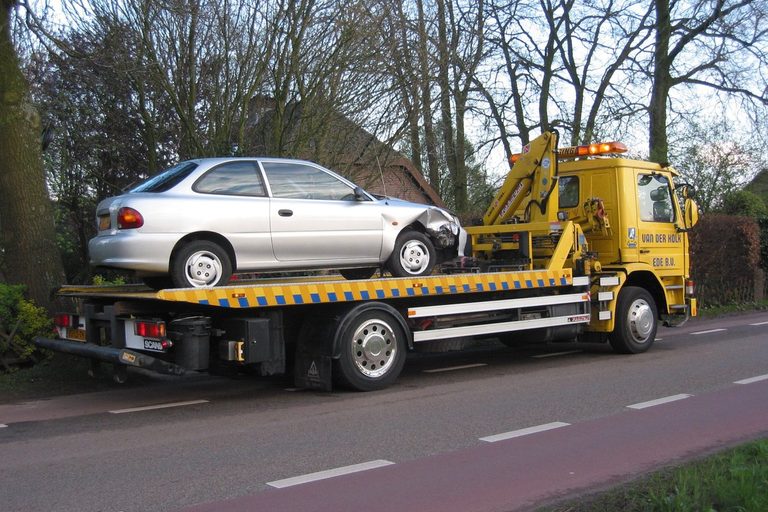
Find what similar trailers sell for in your area (local classifieds are the best guide). Subtract tires, bearings, lights, decking, any welding, and the cost and time of title work. Then fees and transport. Trailers are easy to tow home if you have the right hitch; see getting a salvage vehicle home.
06The easiest win
A manufactured trailer with a good VIN, clean title, solid frame and just worn-out tires, lights and deck is one of the easiest flips at auction. A homemade trailer with no paperwork is cheap for a reason.
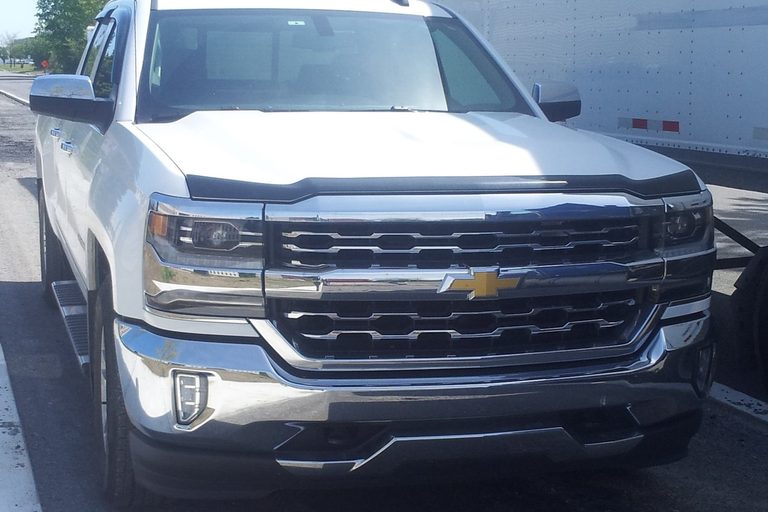
The K2-generation Silverado 1500 is one of the most common trucks at salvage auctions. The known problems to price in before you bid: AFM lifters, the 8-speed shudder, AC condensers and more.
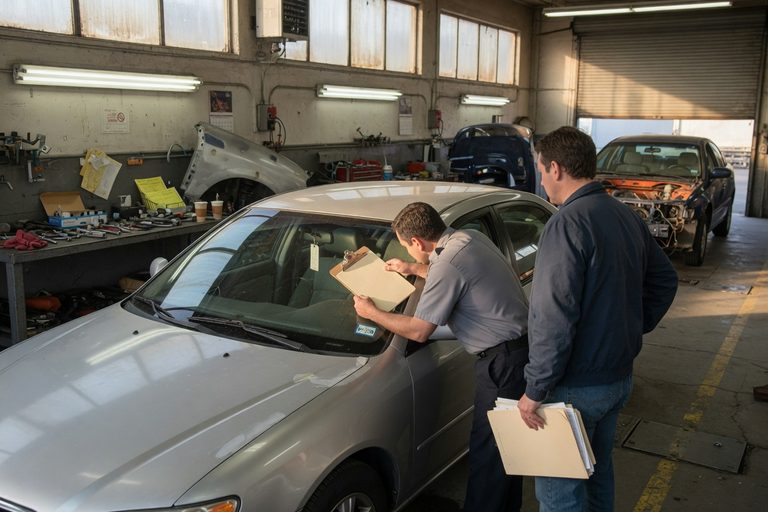
Before a salvage vehicle goes back on the road, most states want to inspect it. What they look for, the paperwork they ask for, and how to pass the first time.
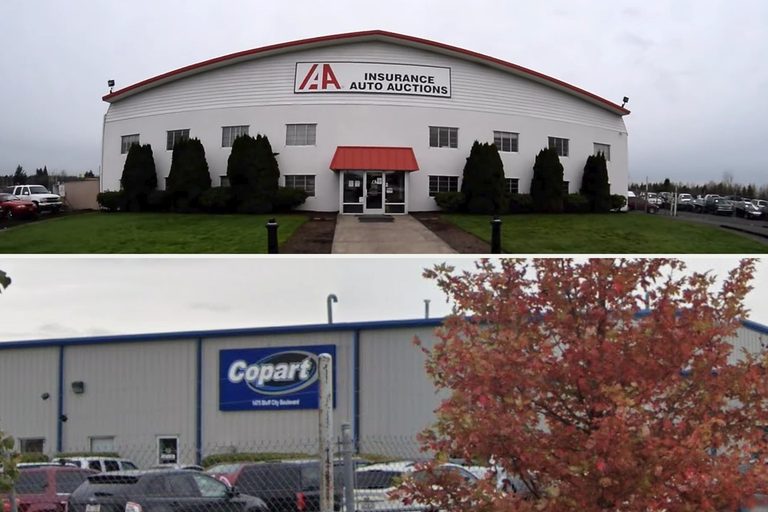
Copart and IAA are the two giants of salvage and insurance auctions. How they differ on inventory, public access, fees and buying experience, and how flippers use both.