Auction Buying
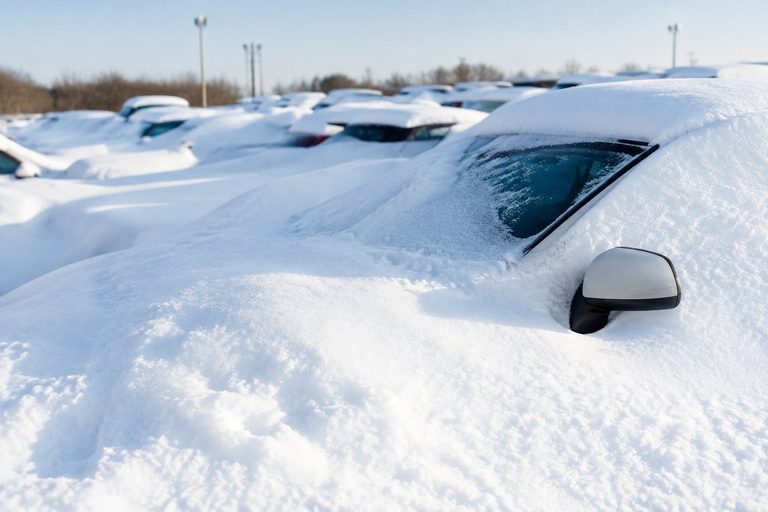
How Do You Inspect a Snow-Covered Auction Car You Can't Clear Off?
Snow hides most of an auction car's damage. Here's what you can still check at the yard, what to skip, and when to walk away.
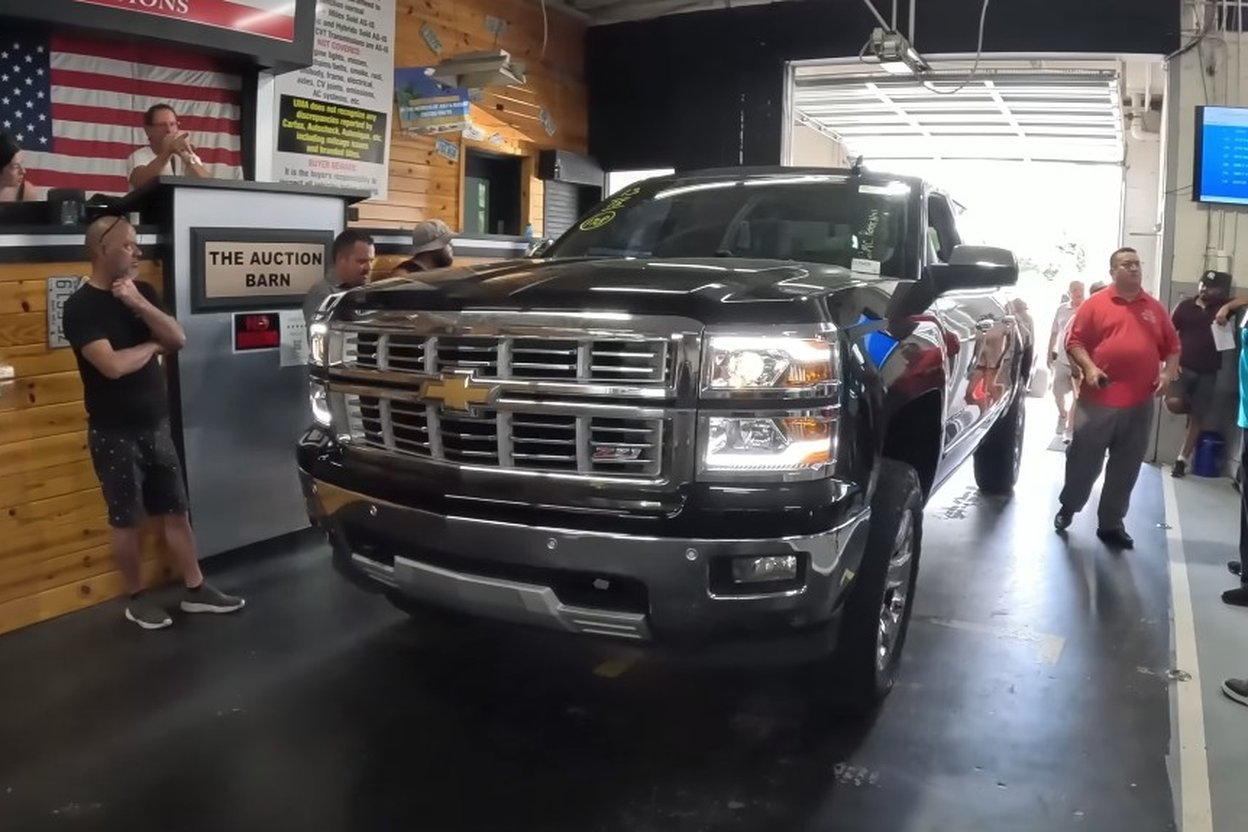
No public data shows fewer Copart or IAA bidders or lower prices at Thanksgiving. Here's how to set your max bid the same as any other week.
You've got the Copart app open on a cool fall evening, with a couple of trucks on your watchlist. Somebody at the parts counter, or in a comment thread, tells you to wait for Thanksgiving week. "Everybody's eating turkey, nobody's bidding. You'll steal one." I get why that sounds good. But nobody has published data showing fewer bidders or lower prices at salvage auctions that week. Don't lower your max bid because of a holiday. Set it the same way you would any other week. If the week turns out quiet, that's a bonus.
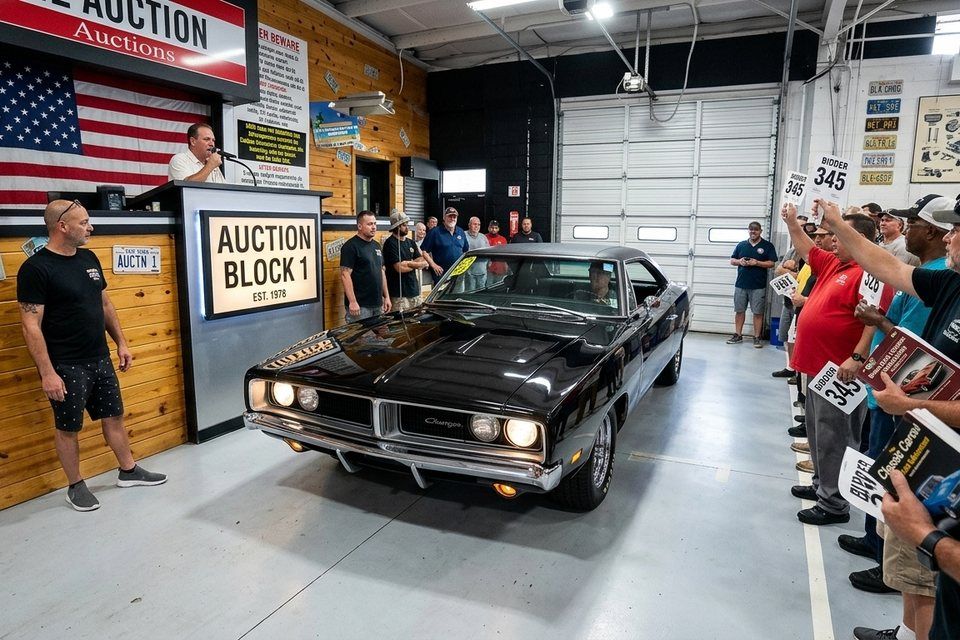
Thanksgiving this year is Thursday, November 26. The theory is that people are traveling, cooking and watching football, so fewer of them are bidding and cars go cheap.
Maybe that happens. But Copart, IAA, the government and the news have all been silent on it. Nothing public says bidder counts or salvage prices drop that week. That doesn't prove the theory wrong. It just means nobody has shown it's true. You'd be betting real money on a story people repeat.
What matters is how a max bid works. When you pre-bid on Copart, you set a maximum and the system bids for you up to that limit. If the room is thin, you might win below your max. If it isn't, you won't. Either way your max should come from the same two numbers as always: what the vehicle is worth fixed, and what it costs to get it there.
This is the same reason I got sick of dealerships. A salesman tells you this is the week to buy, end of the month, end of the year, holiday sale. Auctions have their own version of that. Do your own math instead.
Some things really are different around Thanksgiving, but they're about the calendar more than prices.
If Thanksgiving Day's sale moves to Wednesday or Friday, that day carries extra cars. More cars in a shorter week could mean less competition on each one. Or it could just mean the same buyers bidding more in one sitting. Nobody knows which, and I wouldn't guess with my money.
The closest thing to price data is the Manheim Used Vehicle Value Index. Be careful with it, because it tracks dealer wholesale auctions, not salvage sales at Copart or IAA. Different cars, different buyers. Still, it's the best public look at whether auction prices sag in late fall, and it doesn't show them sagging.
So in two different Novembers, wholesale prices went up heading into Thanksgiving. That doesn't prove salvage prices rise that week. The timing varies from year to year, and dealer lots aren't wrecked trucks. But you can't point at the numbers and say the holidays are cheap either. If anything, the cars dealers want got more expensive in those Novembers.
So I can't promise you a pattern, and anyone who promises one is guessing.
Say the week does go your way and you win a truck for a few hundred under your max. Now look at what comes after the gavel.
Fees are separate from the bid. Copart membership runs $99–$249 a year, and a condition report is $35. On top of the winning bid you pay a buyer fee and a gate fee. Copart has a fee calculator, so run your numbers through it before you bid, not after. A small discount on the hammer price doesn't change those fees much.
Pickup deadlines keep running. Auctions give you a set window to pay and pick up, and storage fees start when it closes. Win on the Wednesday before Thanksgiving and you've got a holiday Thursday, a Friday many offices treat as a holiday, and a weekend coming up. Your transporter may be off. Your bank may be closed when you need to send a wire. Every day the truck sits past the deadline costs money, and a couple of storage days can eat whatever you saved.
**Titles don't move over a holiday.** If you need the title processed before you can register, drive or resell the vehicle, a week with two closed days slows that down.
Know what you're allowed to buy. In many states, salvage-branded vehicles can only be bought by licensed dealers, so public buyers often go through a broker, who charges a fee too. The rules depend on your state and the title type. Check yours before you bid, holiday or not.
Here's the order I'd work in. It's the same any week of the year.
Then pre-bid that number and leave it. Don't chase in the last seconds. Thinking you'll go "just one more bump" is how people end up paying dealer prices for a wrecked truck.
If you want to use Thanksgiving week for something, use it to test. Put lower pre-bids on cars you'd be glad to win and fine losing. If they hit, good. If they don't, you've learned what that week actually looks like at your yard, which beats anything you hear at the parts counter. And if a car is listed with Buy It Now, you can skip the auction and pay the listed price. Just run it through the same math first.
Snow hides most of an auction car's damage. Here's what you can still check at the yard, what to skip, and when to walk away.
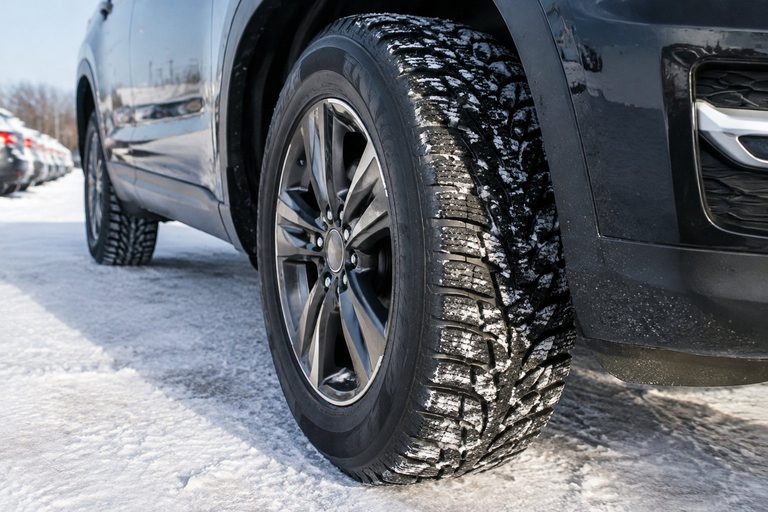
Mismatched tires on an auction AWD car can strain the drivetrain and cause uneven grip. Here's what to check and price before you bid.
Find out whether a December auction purchase counts toward your state's sales limit this year or next, and how calendar and rolling rules differ.